
Regenerative Agriculture Tourism
The Ground Beneath the Table
A farm stay used to mean a rustic breakfast, a barn tour and a photograph beside the chickens. In 2026 the meaning has shifted. On a growing number of member properties, guests are turning compost windrows, planting cover crops, tracking soil-organic-matter gains and eating meals whose ingredients were pulled from the ground beneath their feet that same morning.
This is regenerative agriculture tourism: travel to working farms and land-restoration projects where visitor fees and visitor labour fund measurable ecological recovery. It sits at the intersection of hospitality, food-system reform and climate response, and it is one of the fastest-growing niches in a sustainable-tourism market expanding at an estimated 10 to 15 percent annually.
Across the Regenerative Travel network, a group of member farms and farm-adjacent lodges are quietly building the blueprint. From an Alentejo cork-oak estate to a Sumba permaculture plot, a Sacred Valley heritage-grain farm to a Maasai Mara camp powered entirely by the sun, they share one working thesis: the land should be healthier when the guest goes home than it was on arrival.
What Regenerative Agriculture Tourism Actually Means
Defining a term the market is already diluting
The Global Sustainable Tourism Council describes regenerative tourism as travel that seeks to leave destinations in a better state than they were found. Applied to farmland, that is a meaningful evolution of agritourism — the decades-old practice of inviting visitors onto working farms. Regenerative agritourism goes further: the farm is designed to improve ecologically as a result of the guest's presence.
A peer-reviewed study in Agriculture (MDPI) puts it plainly. Regenerative agritourism is superior to sustainable agriculture and regular tourism since it restores ecosystems, enhances biodiversity, and builds local resilience. The distinction matters because the language is being adopted faster than the practice. A farm that hosts a farm-to-table dinner is not regenerative. A farm that tracks its soil-organic-matter over three growing seasons and can show you the trend line is.
Three tests separate the two. First, measurable outcomes: soil tests, biodiversity surveys, water-infiltration data. Second, guest participationin real farm work, not observation-only tours. Third, community benefit — revenue routed to local farmers, Indigenous knowledge holders, and land-stewardship programs rather than distant shareholders.
Africa & Europe: The Working Farm Reimagined
Old-world farmsteads with new-world thinking
Some of the most complete expressions of regenerative agriculture tourism sit on land that has been farmed continuously for centuries. Sterrekopje Farm in South Africa's Franschhoek Valley is one such example. The 50-hectare property calls itself a healing farm, but the underlying architecture is biodynamic: orchards, apiaries, market gardens and vineyards worked as a single living system. Guests are invited into the composting cycle, the seasonal harvest, and the kitchen's daily negotiation with what the land is offering that week.
In Portugal's Alentejo, Herdade da Cortesia sits on cork-oak montado — one of Europe's most biodiverse silvopastoral landscapes and a UNESCO-recognised agroforestry system. The estate treats its centuries- old cork oaks, olive groves and grazing pastures as an integrated regenerative landscape, with the working farm at the centre of the guest experience rather than hidden behind the estate walls.
Kenya's Emboo River extends the same logic to the edge of the Maasai Mara. The camp is the first fully electric safari operation in the Mara ecosystem, and its kitchen is supplied by a network of women-led kitchen gardens across surrounding Maasai communities. Every plate closes a loop between the ecosystem outside the camp and the households that depend on it.
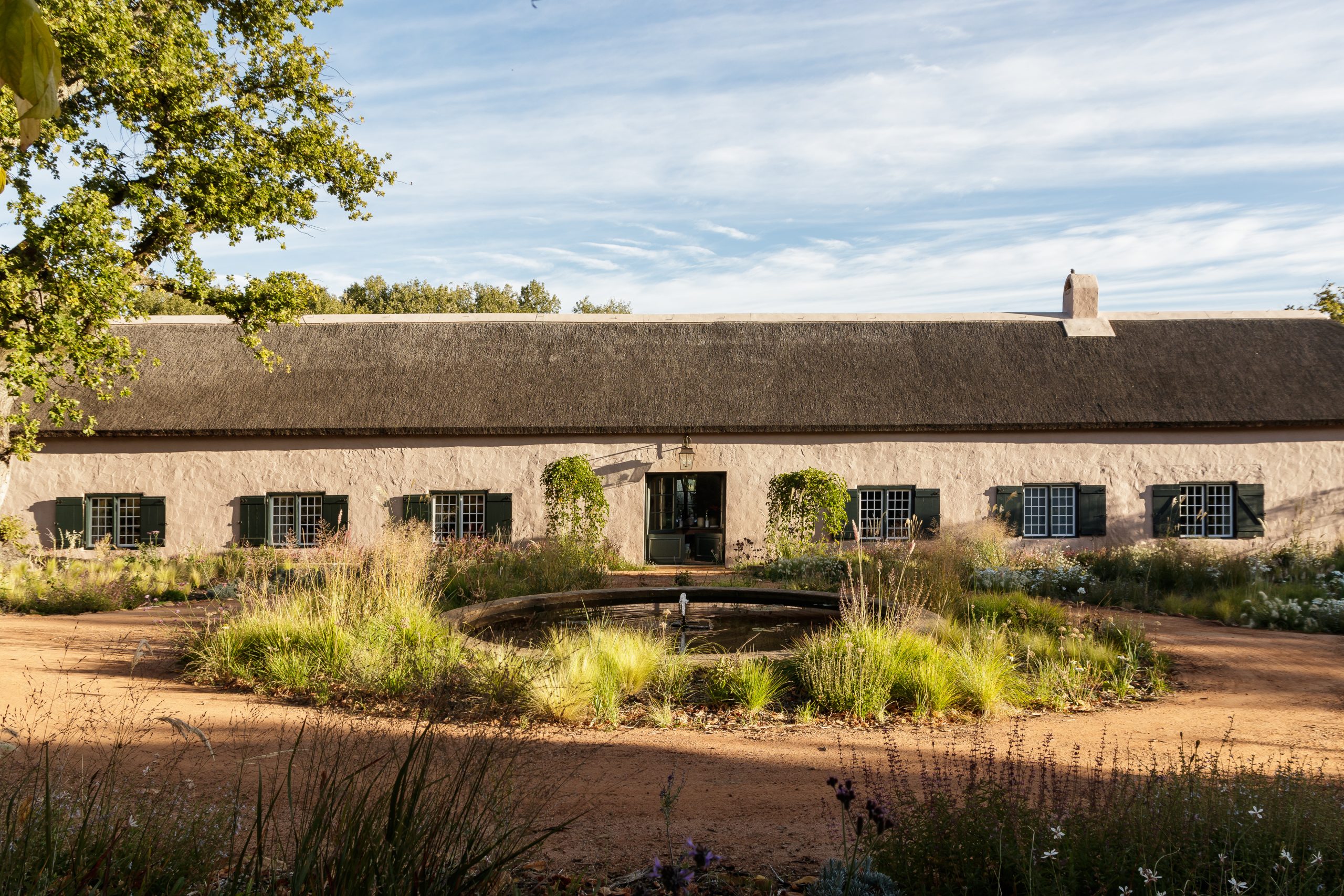
Sterrekopje Farm · Franschhoek
A biodynamic healing farm where composting, seed-saving and slow harvests shape the daily rhythm for guests.
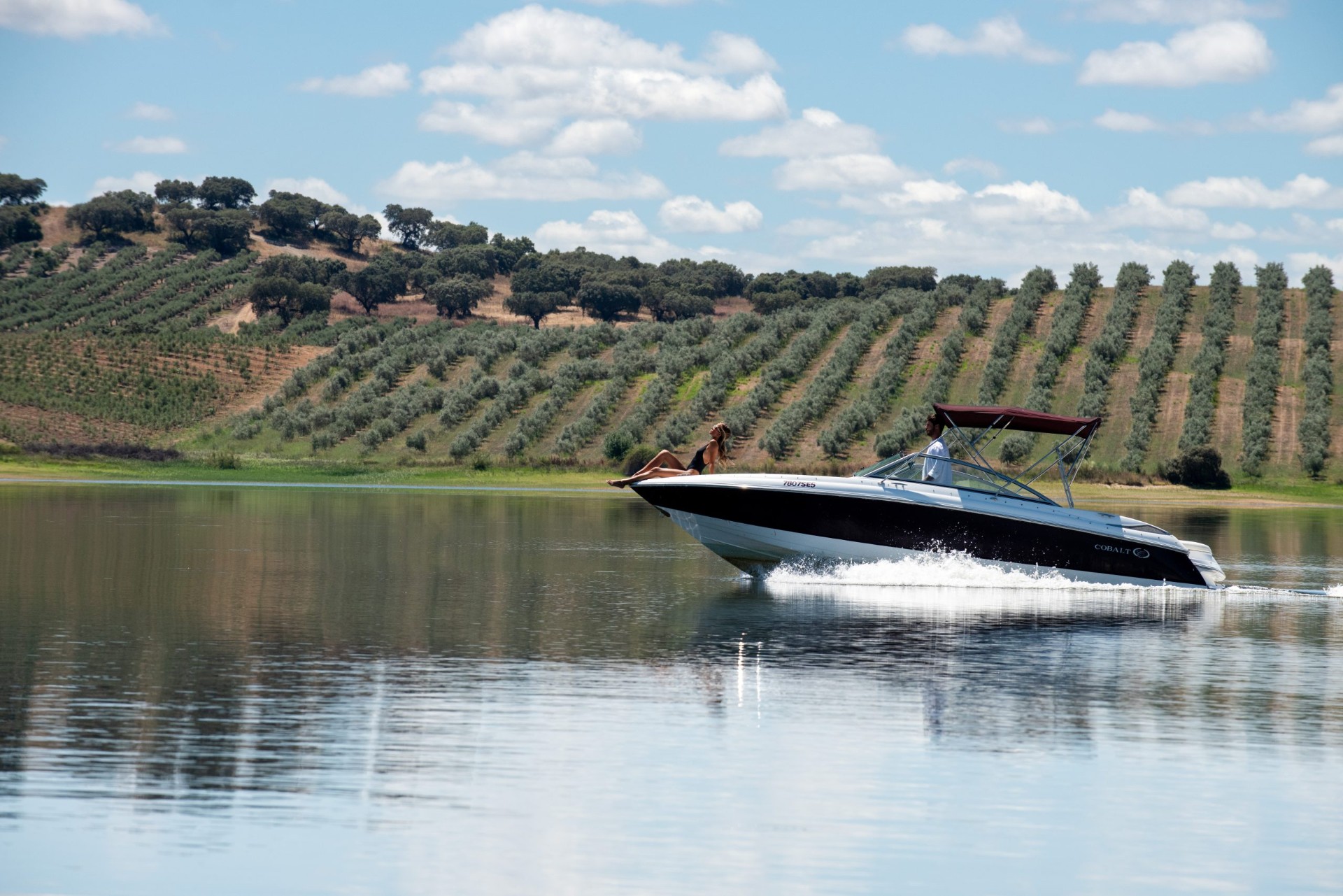
Herdade da Cortesia · Alentejo
Cork-oak montado — a UNESCO-recognised silvopastoral landscape restored around a working estate.
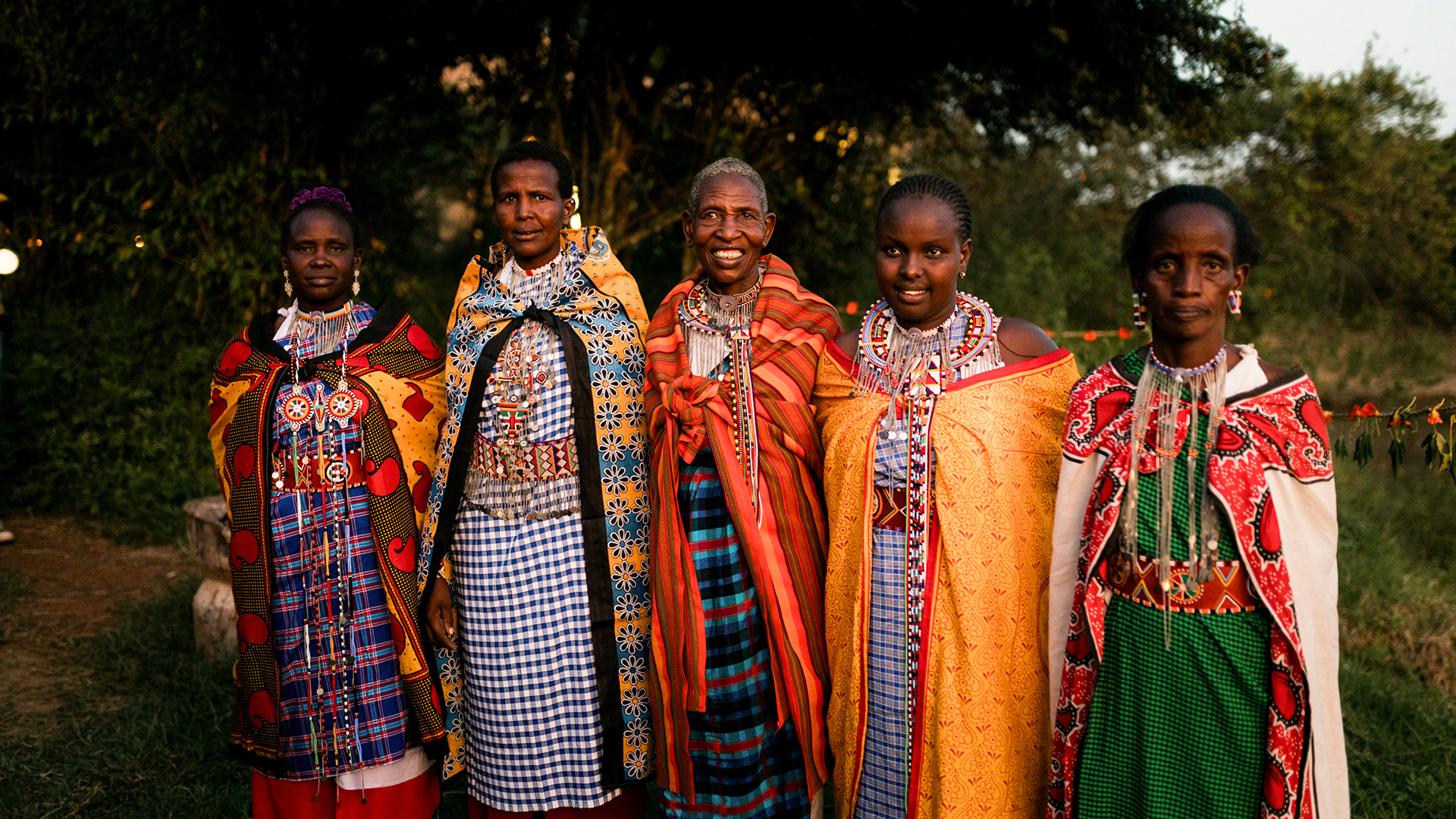
Emboo River · Maasai Mara
Kitchen gardens run by Maasai women supply the camp — the plate closes the loop with the surrounding ecosystem.
Featured Farmsteads · Africa & Europe
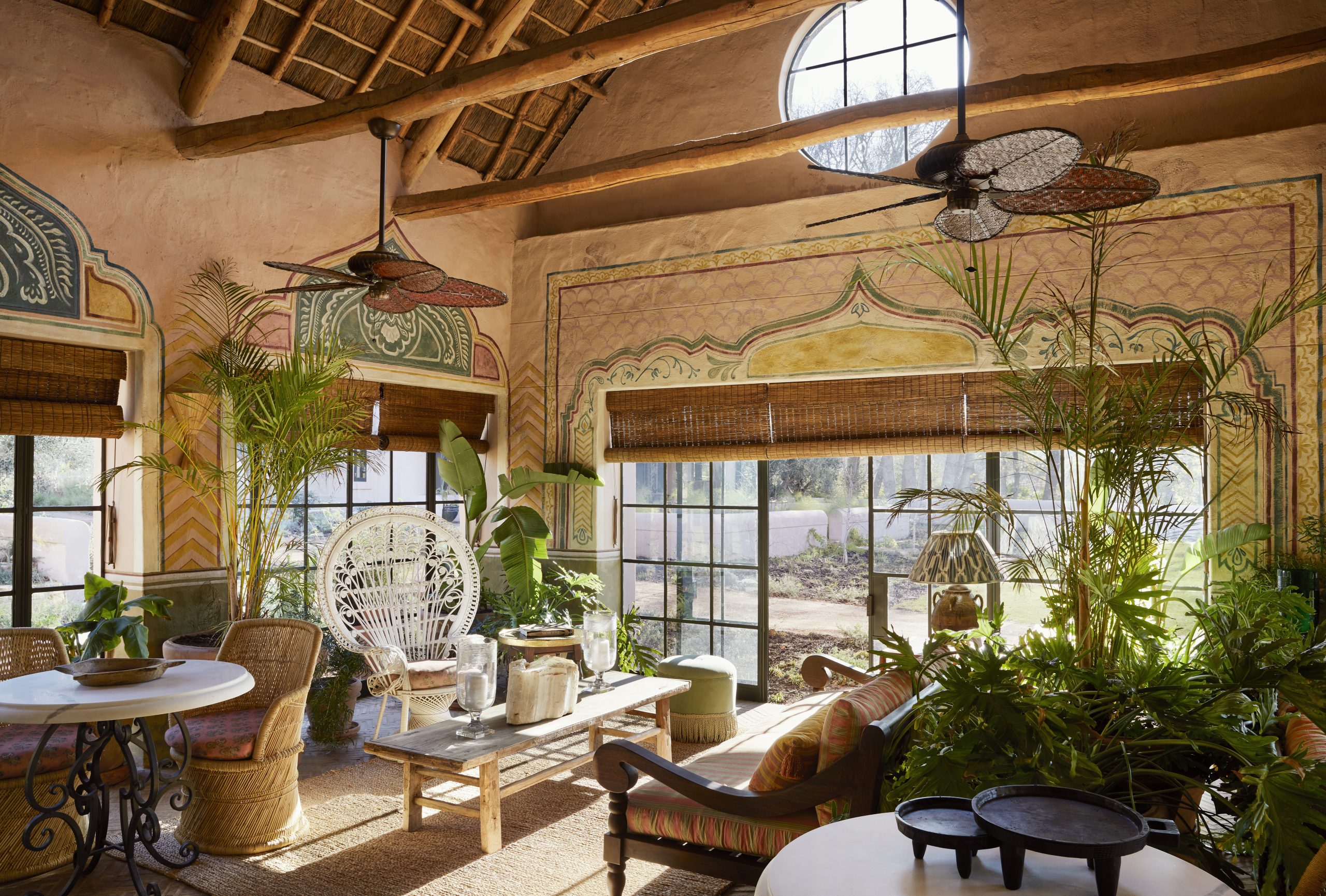
Franschhoek, South Africa
Sterrekopje Farm
A 50-hectare biodynamic healing farm — orchards, apiaries, and market gardens feed the kitchen while restoring the soil beneath the vines.
View Property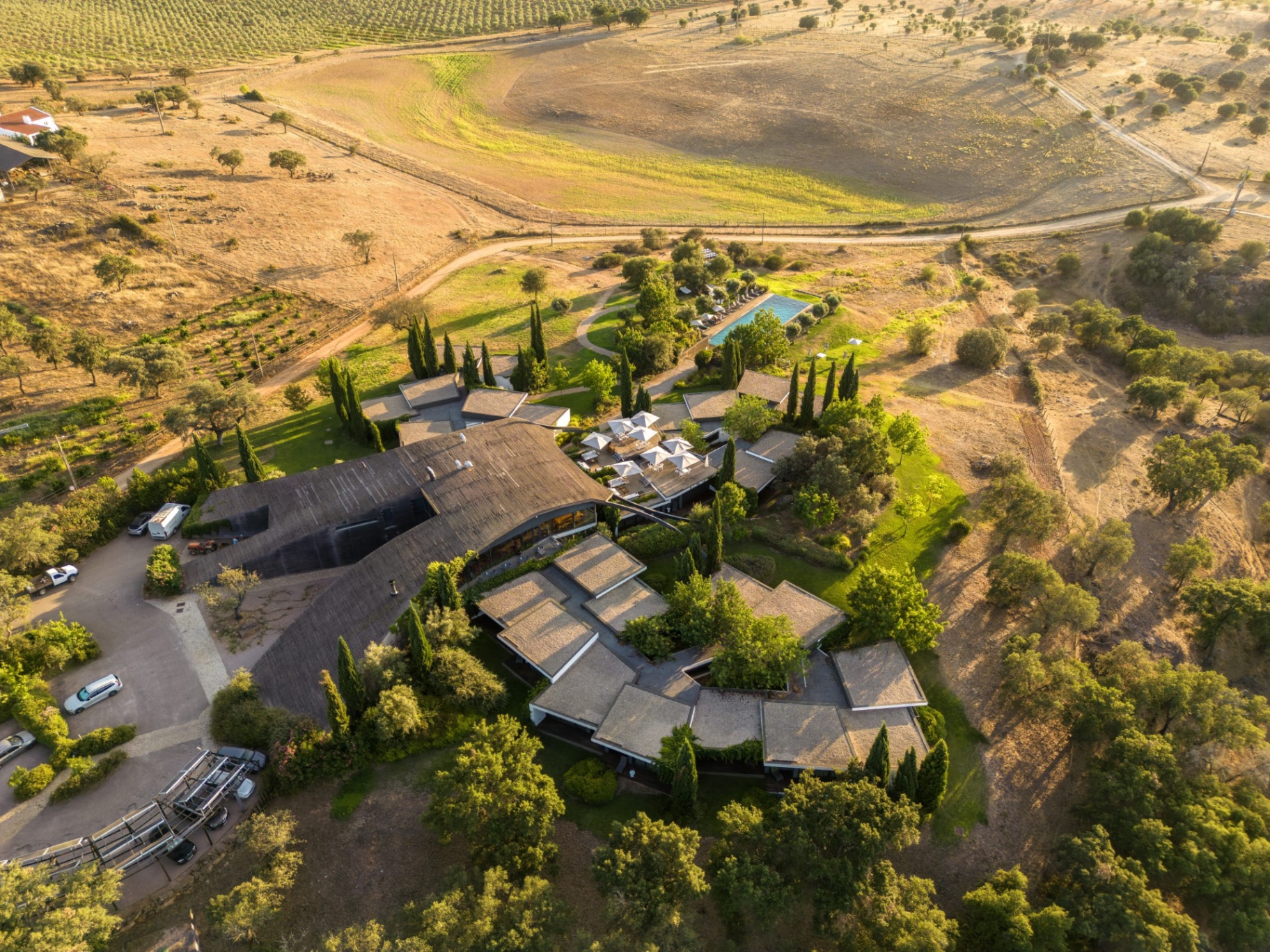
Alentejo, Portugal
Herdade da Cortesia
Agroforestry estate on cork-oak montado, quietly rebuilding one of Europe's most biodiverse silvopastoral landscapes around a working farm.
View Property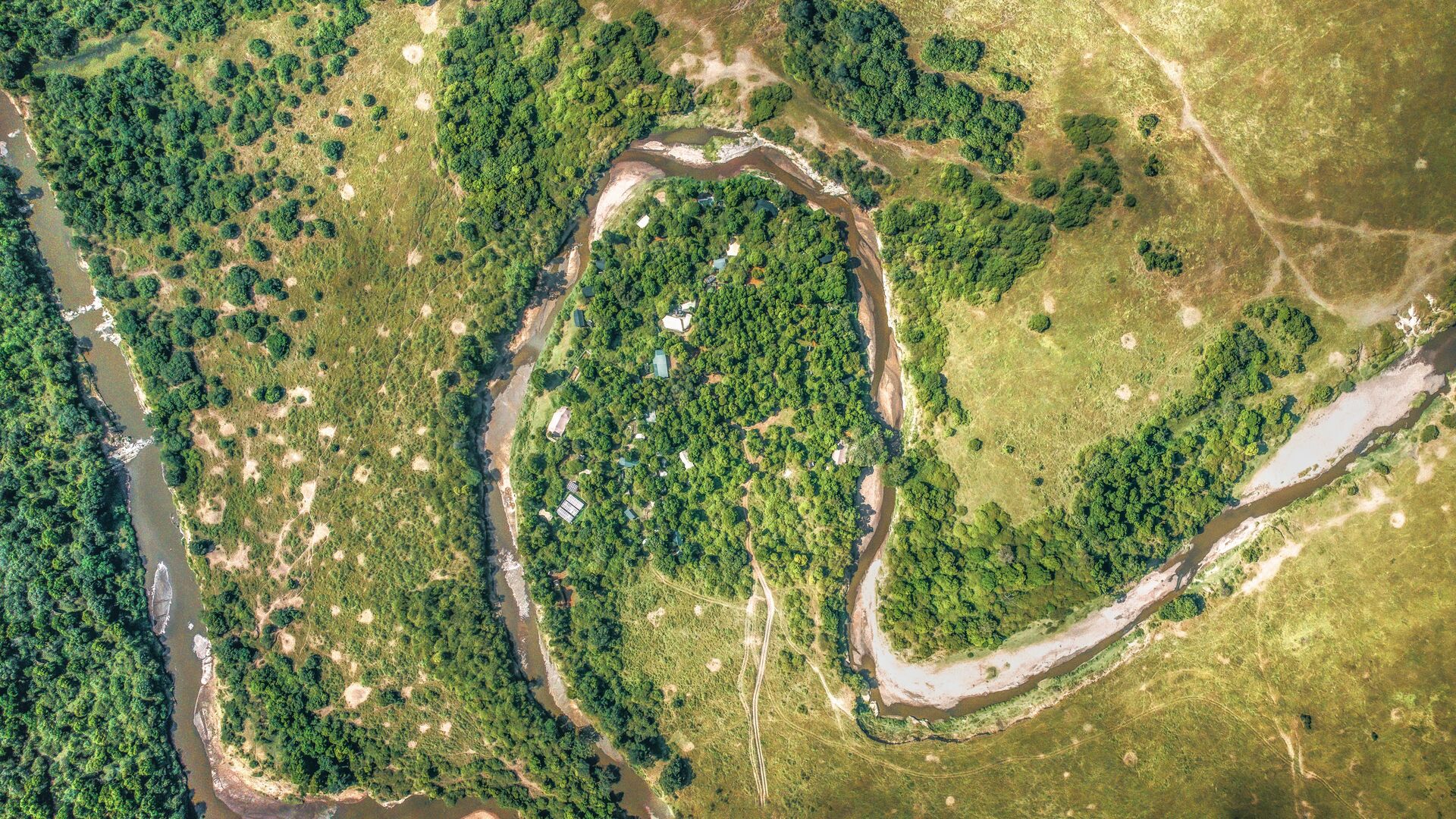
Maasai Mara, Kenya
Emboo River
The Mara's first electric safari camp, sourcing produce from a network of women-led kitchen gardens across the surrounding Maasai communities.
View PropertyThe Americas & Asia: Farms as Field Schools
Where the working farm meets Indigenous knowledge
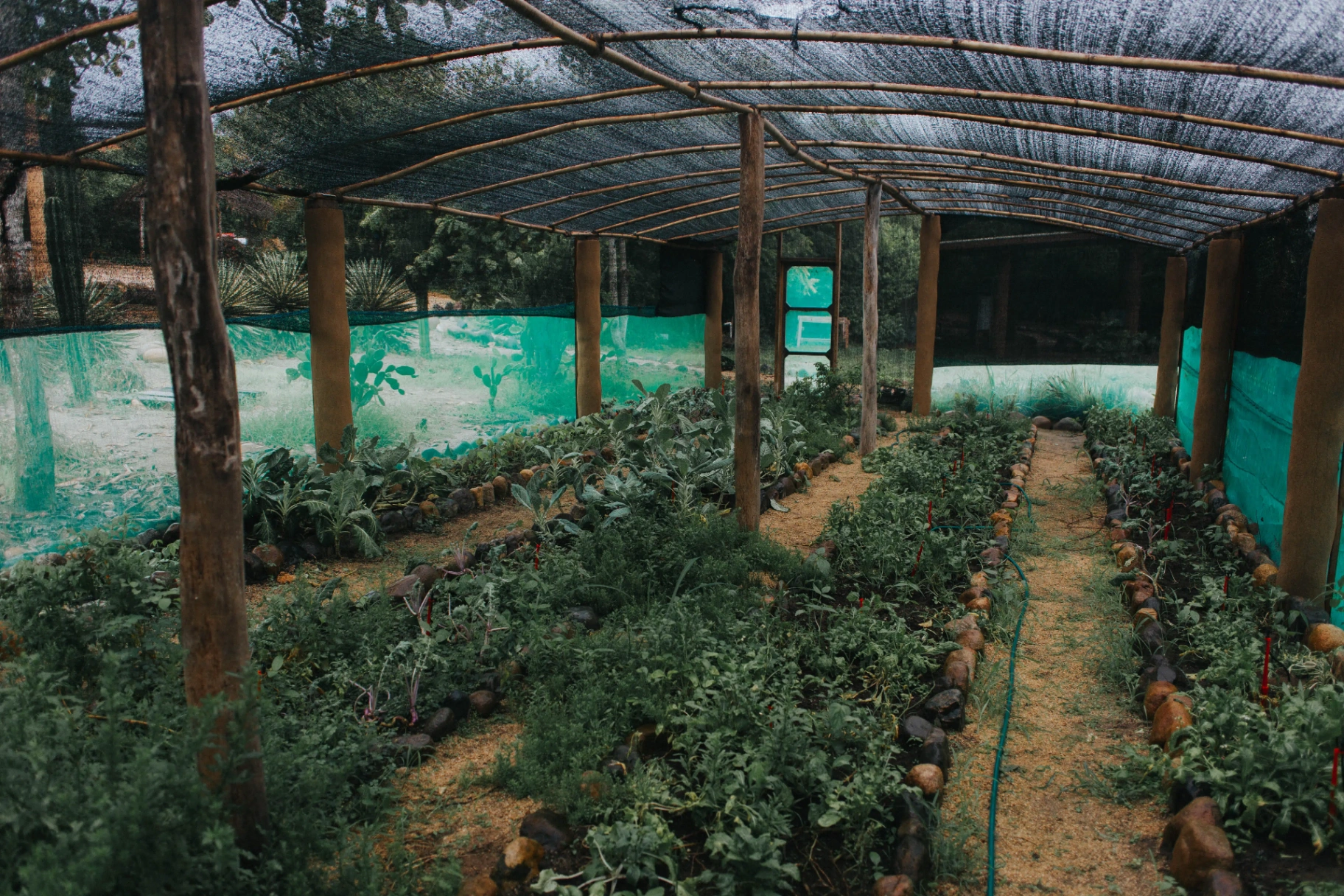
In Mexico's Pacific state of Guerrero, Playa Viva sits on a 200-acre permaculture estate that pioneered farm-to-treehouse hospitality almost two decades ago. The kitchen sources heirloom maize, cacao, coconut and salt from the surrounding regenerative farm, while the property's La Tortuga Viva program funds sea-turtle protection and Juluchuca village schooling from guest revenue. It remains one of the clearest working proofs that a for-profit resort can meaningfully fund a rural ecology.
In Peru's Sacred Valley, El Albergue Ollantaytambo has run its own organic farm alongside the family-run inn for more than three decades. Native potatoes, quinoa and heritage corn move from field to distillery to plate on the same property, and guests can walk between them. The affiliated Kuska school teaches Andean weaving using naturally dyed alpaca fibre — closing another loop between land, craft and livelihood.
In eastern Indonesia, Ngalung Kalla built its self-sufficiency the hard way. Since 2014 the retreat has grown from a beachfront camp into a permaculture-supplied eco surf and health property, with agroforestry plots and market gardens feeding most of the kitchen. Guests are quietly folded into the daily rhythm: composting, mulching, planting food-forest trees between surf sessions.
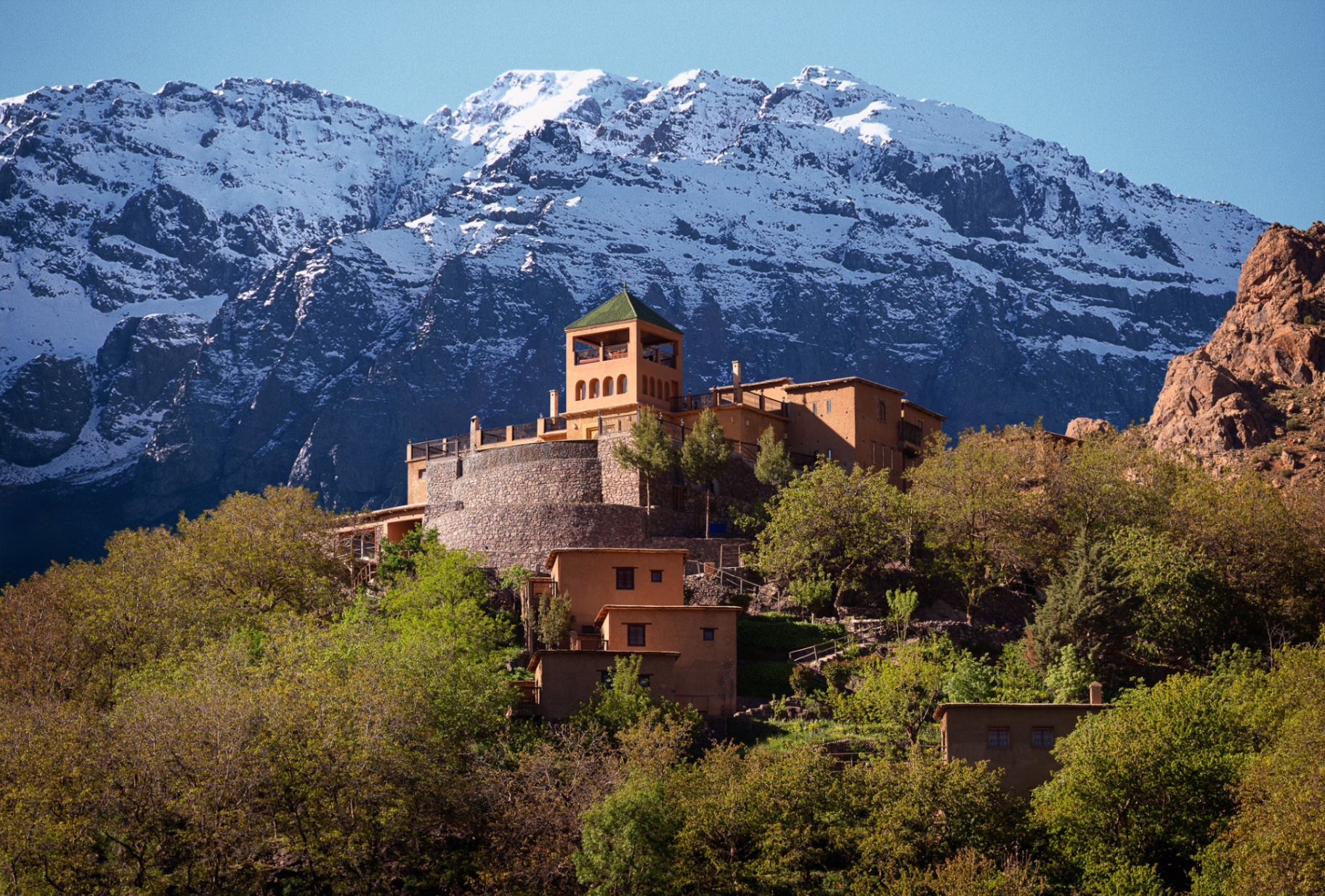
Ladakh's Dolkhar and Morocco's Kasbah du Toubkal extend the same principle into high-altitude landscapes — heirloom-grain farms and Berber terrace gardens that anchor the guest experience in the food system they visit.

Playa Viva · Juluchuca, Mexico
200 acres of coconut and cacao; guest revenue funds sea-turtle protection and the village school.
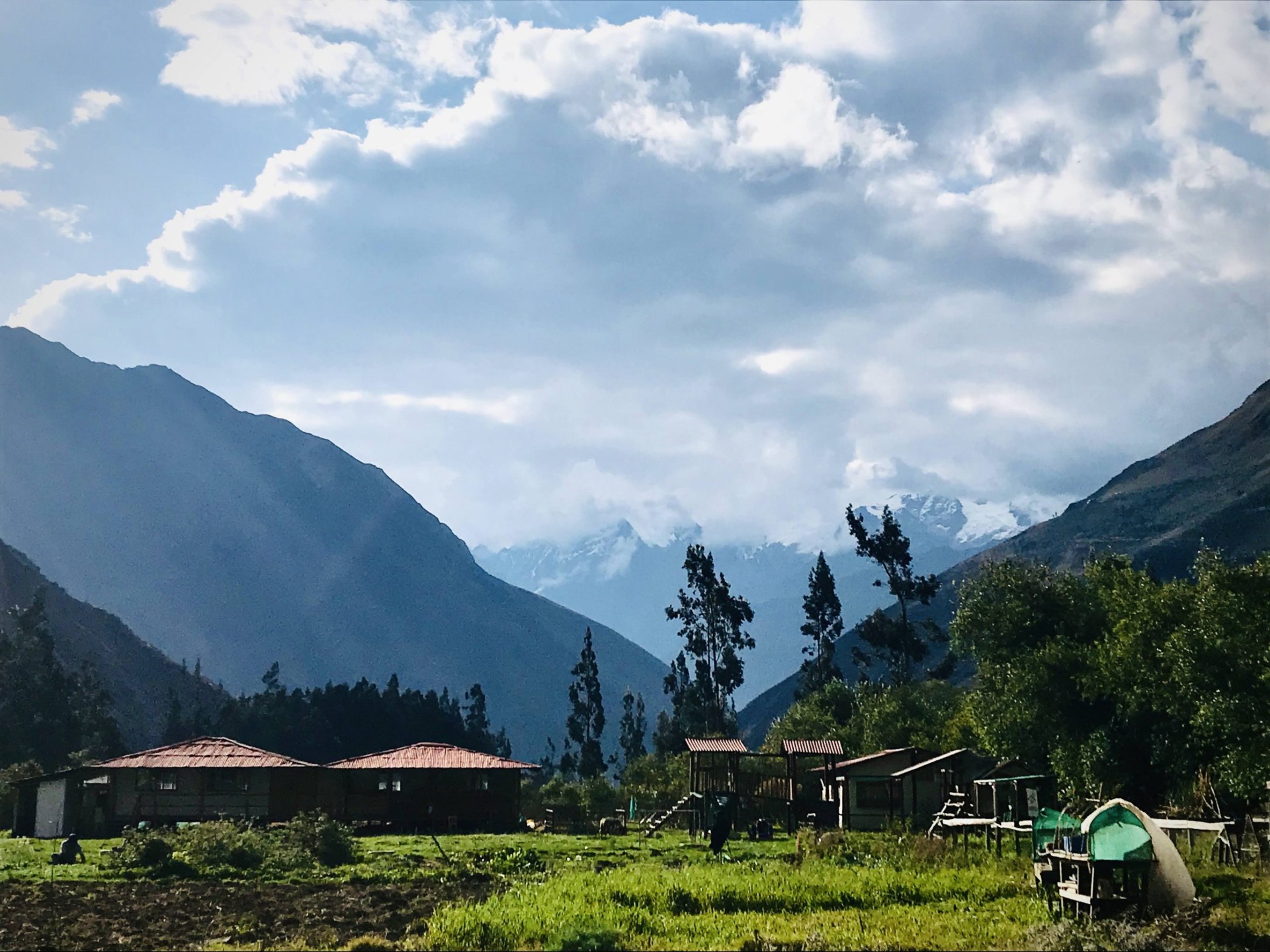
El Albergue · Sacred Valley, Peru
Native potatoes, quinoa and heritage corn flow from field to distillery to plate on the same property.
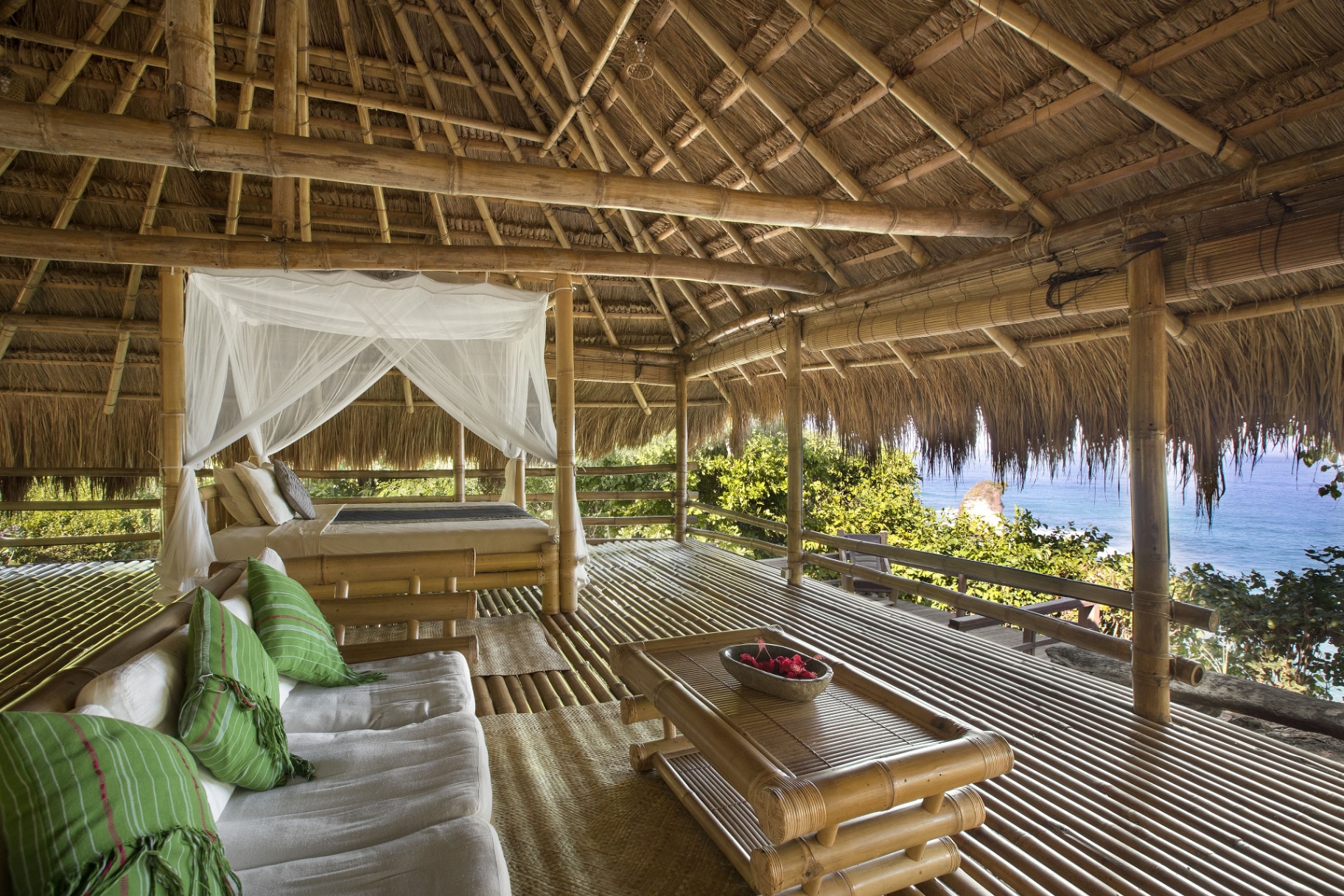
Ngalung Kalla · Sumba, Indonesia
Bamboo, reclaimed coconut and permaculture gardens — a retreat built almost entirely from what the land offered.

Dolkhar · Ladakh, India
Heirloom Ladakhi grains and high-altitude vegetables anchor a menu grown within walking distance of the villa.
Featured Farmsteads · Americas & Asia
Juluchuca, Mexico
Playa Viva
A regenerative farm-to-treehouse resort on a 200-acre permaculture estate — coconut, cacao and heirloom maize feed guests and the surrounding village school.
View Property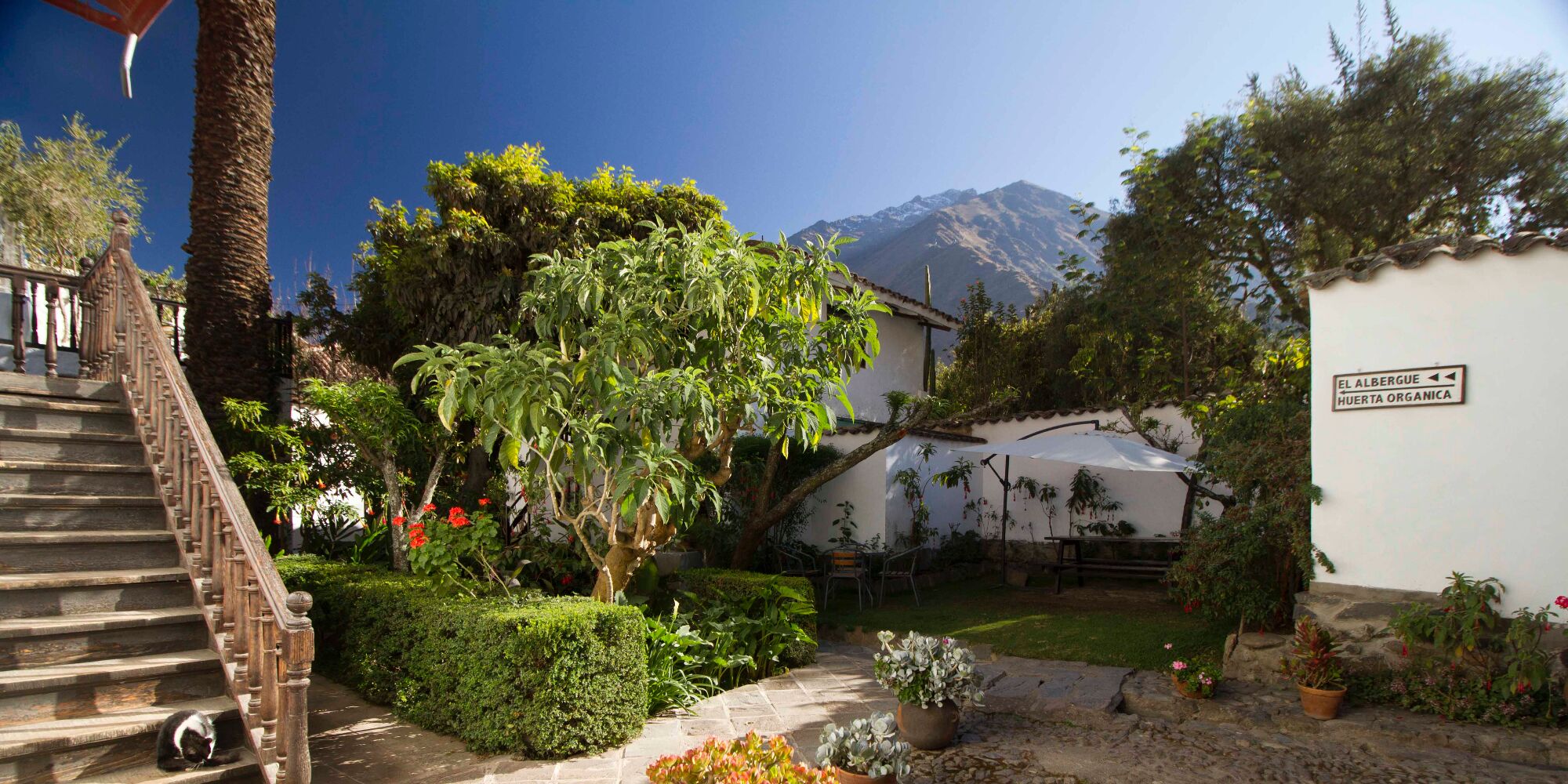
Sacred Valley, Peru
El Albergue Ollantaytambo
A family-run inn with its own organic farm, artisanal distillery and Kuska weaving school — visitors help harvest quinoa, corn and native potatoes.
View Property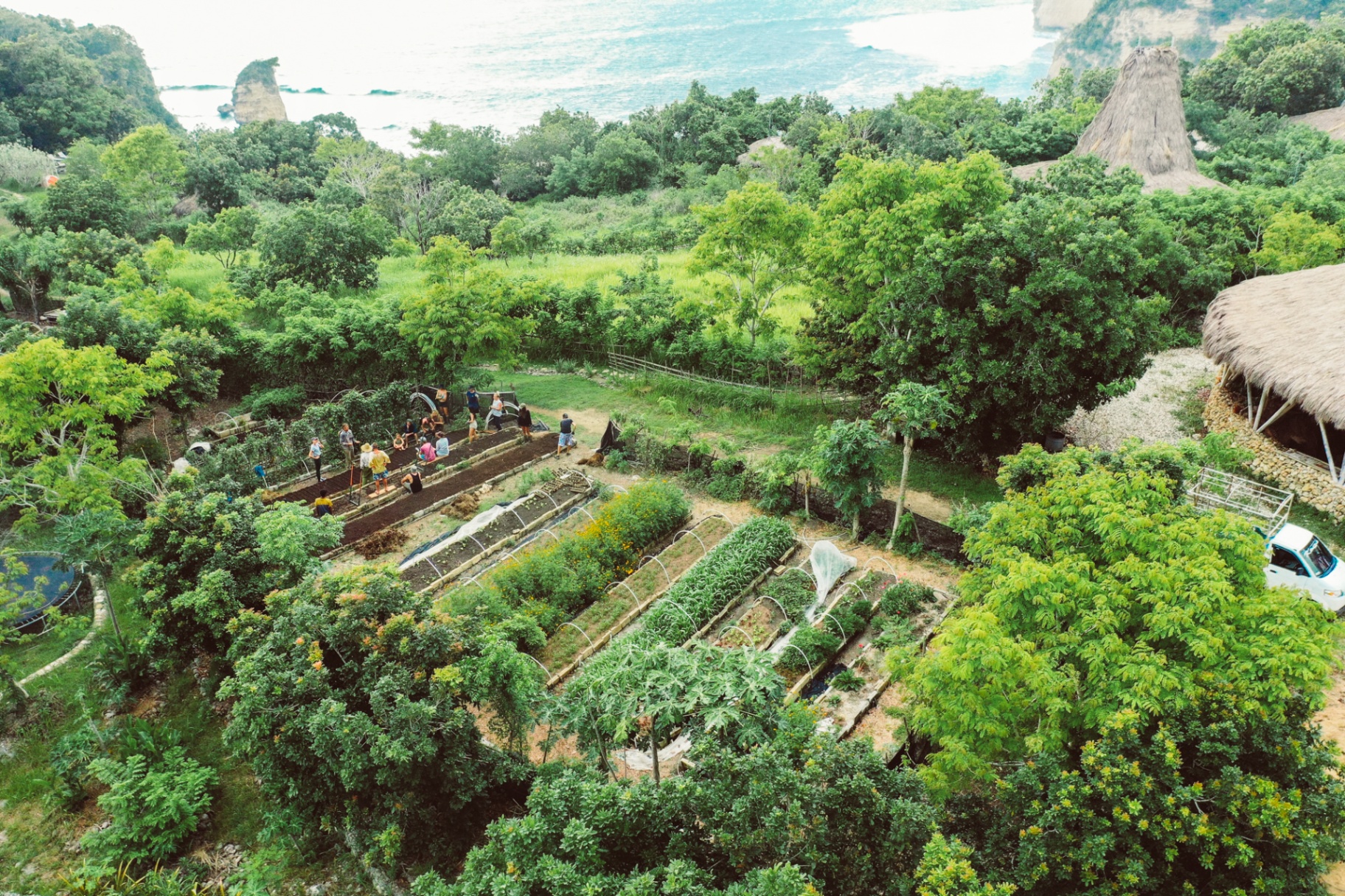
Sumba, Indonesia
Ngalung Kalla
Agroforestry plots and permaculture gardens supply most of the kitchen; guests join composting, planting and food-forest work between surf sessions.
View PropertyHow the Revenue Loop Works
How the visit-to-restoration loop works on the ground
The mechanics vary by property, but the underlying structure is consistent. Farmers identify which regenerative practices need labour or funding — planting native species, turning compost windrows, moving cattle for rotational grazing. Guest experiences are then designed around those needs. Visitors pay for the stay, and that revenue supplements farm income in ways that make regenerative practices financially viable.
The most common practices guests encounter across the network are:
- Agroforestry — integrating trees with crops or livestock to build soil carbon and habitat corridors.
- Cover cropping and composting — building soil organic matter between growing seasons.
- Permaculture design — reading a farm's layout as an ecosystem rather than a machine.
- Rotational grazing — moving livestock so pasture and soil microbes can recover.
- Water harvesting — swales, ponds and contour planting that keep rainfall on the land.
The Greenwashing Trap
Why the term is being abused, and how to spot it
As regenerative gains commercial traction, dilution is inevitable. Many beautiful rural properties offer pastoral aesthetics, farm-to-table menus and outdoor activities without any commitment to soil restoration or biodiversity improvement. Beauty and design alone do not constitute regeneration.
Specific red flags worth watching for:
- No measurable ecological outcomes shared with guests or published publicly.
- Use of “natural”, “eco” or “sustainable” without explaining which practices are actually implemented.
- Farm-to-table menus sourced from conventional suppliers, not the host farm.
- No guest participation in real land-stewardship activities.
- Certification claims that are not backed by a named, verifiable third-party standard.
Every property featured in this piece sits inside the Regenerative Hotels™ network, which applies a structured vetting framework across ecological practice, community benefit and Indigenous partnership before a property is admitted.
How to Evaluate a Regenerative Farm Stay
A short field guide to choosing a genuine one
- Verify the certification. Look for named credentials — Regenerative Hotels™, Land to Market EOV, GSTC-recognised standards. Generic “eco-friendly” claims are not verifiable.
- Ask for the data. Request soil-organic-matter trends, biodiversity surveys or water-infiltration improvements from the past growing season. Credible farms share this willingly.
- Confirm participation. A genuine regenerative farm stay offers scheduled activities where guests contribute to land stewardship. Observation-only tours are conventional agritourism.
- Check community integration. Local employment, local sourcing, support for Indigenous land-management knowledge — these are core pillars, not add-ons.
- Read the menu. Meals should come primarily from the host farm and neighbouring regenerative producers.
For multi-destination trips, the vetting complexity is real. A Regenerative Travel designer handles the due diligence so each stop meets the same standard.
Frequently Asked
What is regenerative agritourism?
Farm-based travel where visitors actively participate in land-restoration practices — soil building, biodiversity enhancement, water-cycle repair — with visit fees and labour contributing directly to measurable ecological improvement. Unlike conventional agritourism, the host farm demonstrates net-positive outcomes over time.
How is it different from eco-tourism?
Eco-tourism aims to minimise negative impact. Regenerative agriculture tourism requires active restoration: the land must improve because the guest was there, not merely avoid being damaged.
What should I look for when booking?
Named, verifiable certifications (Regenerative Hotels™, Land to Market EOV), soil or biodiversity data from the past growing season, scheduled guest participation in real farm work, and a menu sourced primarily from the host farm.
Is it more expensive than regular travel?
Not necessarily. Regenerative farm stays range from working-farm volunteer programmes to high-end lodges. Price often reflects accommodation quality rather than ecological commitment. A mid-range farm with verified soil outcomes can deliver more genuine regenerative value than an expensive rural resort with no accountability.
Where can I find verified experiences?
Regenerative Travel's Regenerative Hotels™ network curates and certifies properties globally, including farm-based stays. Working with a travel designer who specialises in regenerative itineraries is the most reliable way to ensure every property on a multi-destination trip meets genuine standards.
Where to stay
Suggested regenerative hotels
Continue the journey
Curated itineraries
6 Nights · Morocco
Marrakech Medina & the High Atlas
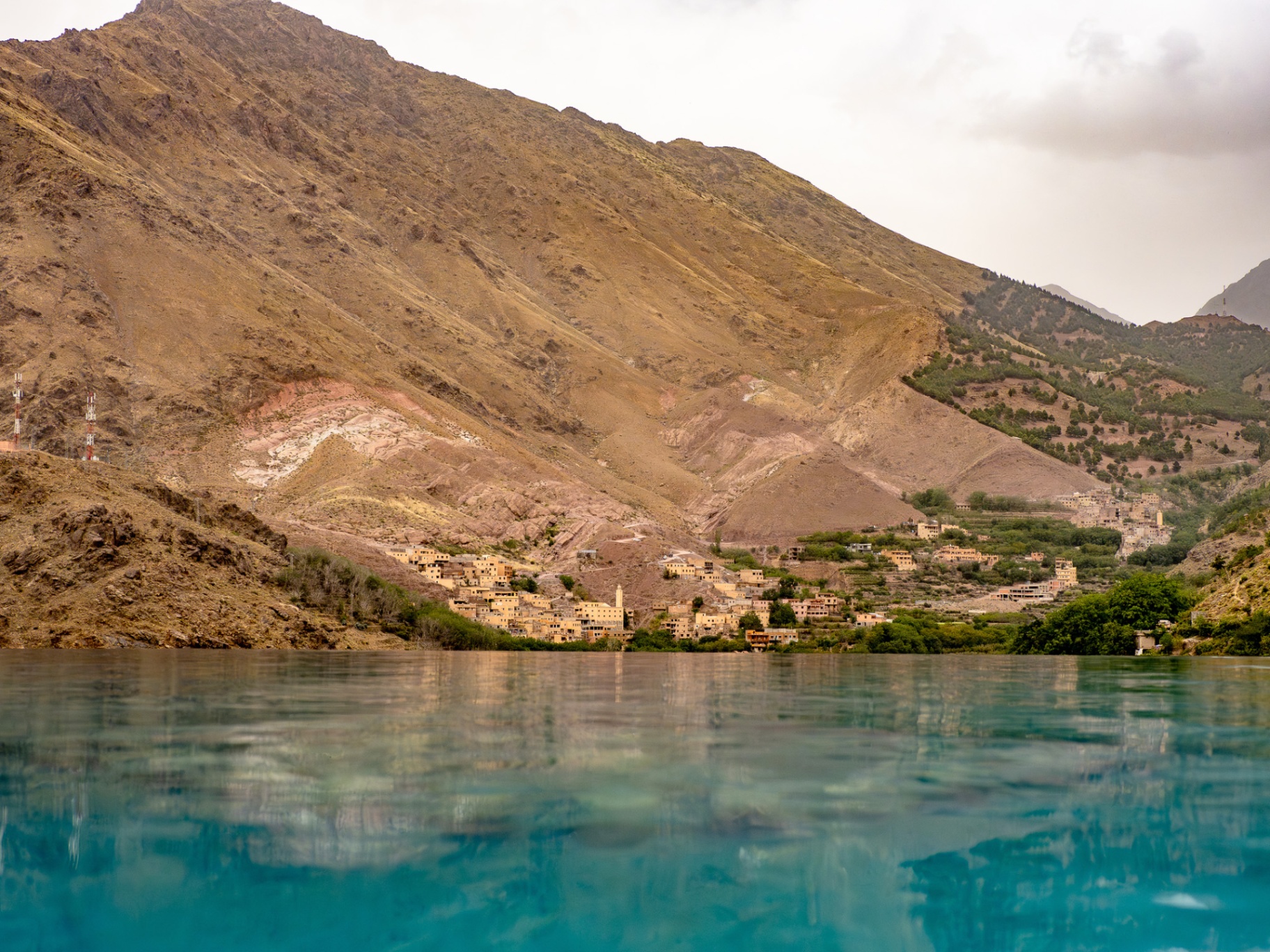
This six-night journey traces two distinct but kindred expressions of Morocco — the intimate courtyard stillness of Dar Z5 in Marrakech's Dar el Bacha quarter, and the breathtaking mountain solitude of Kasbah du Toubkal in the High Atlas.
View itinerary
12 Nights · Nepal
A Pilgrimage Through Nepal
Twelve nights threading four properties from the temple-laden valley of Kathmandu, into the wellness sanctuary of Dhulikhel, up to the windswept Buddhist kingdom of Mustang, and down to the Annapurna ridge above Pokhara.
View itinerary