
The World's Highest Art Biennale
Returns to Ladakh This August
At over 3,000 metres above sea level, in a region where the air thins and the light sharpens and the mountains rearrange your sense of scale, the world's highest art biennale is about to open its third edition.
The sā Ladakh Biennale runs from August 1 to 10, 2026, stretching across the 230-kilometre Leh to Kargil corridor. Eight locations. Ten days. No conventional gallery walls. Just the Trans-Himalayan landscape itself, holding the work the way it has always held everything else that has passed through this valley.
What sā Ladakh Is
Art rooted in the soil it stands on
Founded in 2023, sā (which means soil in Ladakhi) was built on a simple but radical premise: that art in one of the most environmentally fragile regions on earth should not be separated from the soil it stands on. The biennale operates at high altitude in every sense. It engages directly with the realities of climate change, glacial retreat, cultural preservation and the pressures of a tourism economy that has grown faster than the infrastructure beneath it.
Rather than concentrating works in a single venue, sā unfolds across eight sites along the historic Leh-Kargil route: Kargil, Mulbekh, Heniskot, Lamayuru, Nurla, Likir, Basgo and Leh. Each site holds its own history, its own monasteries, its own villages, its own light. The biennale invites artists and visitors to respond to those particularities rather than override them.
The Trans-Himalayan landscape — the biennale's true gallery wall.
Signals from Another Star
The 2026 edition
The 2026 edition is titled Signals from Another Star, and it gathers ideas of regeneration, learning, memory, lived experience and climate awareness. It is the kind of theme that could feel abstract anywhere else. In Ladakh, where glaciers are visibly receding and where centuries-old cultural knowledge sits alongside rapidly changing landscapes, it lands with weight.
"The curatorial commitment to equal footing between local and global voices is one of sā's defining strengths."
The programme is curated by Vishal K Dar, with Tsering Motup Siddho as associate curator. It brings together Ladakhi artists including Tundup Dorjay, Chemat Dorjey, Stanzin Samphel and Urgain Zawa alongside international names such as Jitish Kallat, Anna Jermolaewa and the Swiss duo Studio Eidola.
Beyond the exhibitions themselves, the biennale includes workshops, residencies and community-led programmes, extending the conversation well past the ten days of the event itself.
How to Experience It
A biennale that asks for time
This is not a biennale you do in an afternoon. The geography asks for time, the altitude asks for patience, and the work asks for both. A meaningful visit is closer to ten days than to a weekend, and the way you move through the corridor matters as much as which installations you see.
Two regenerative properties in our network sit at either end of this journey, and together they offer a natural rhythm for the biennale itself.
Dolkhar
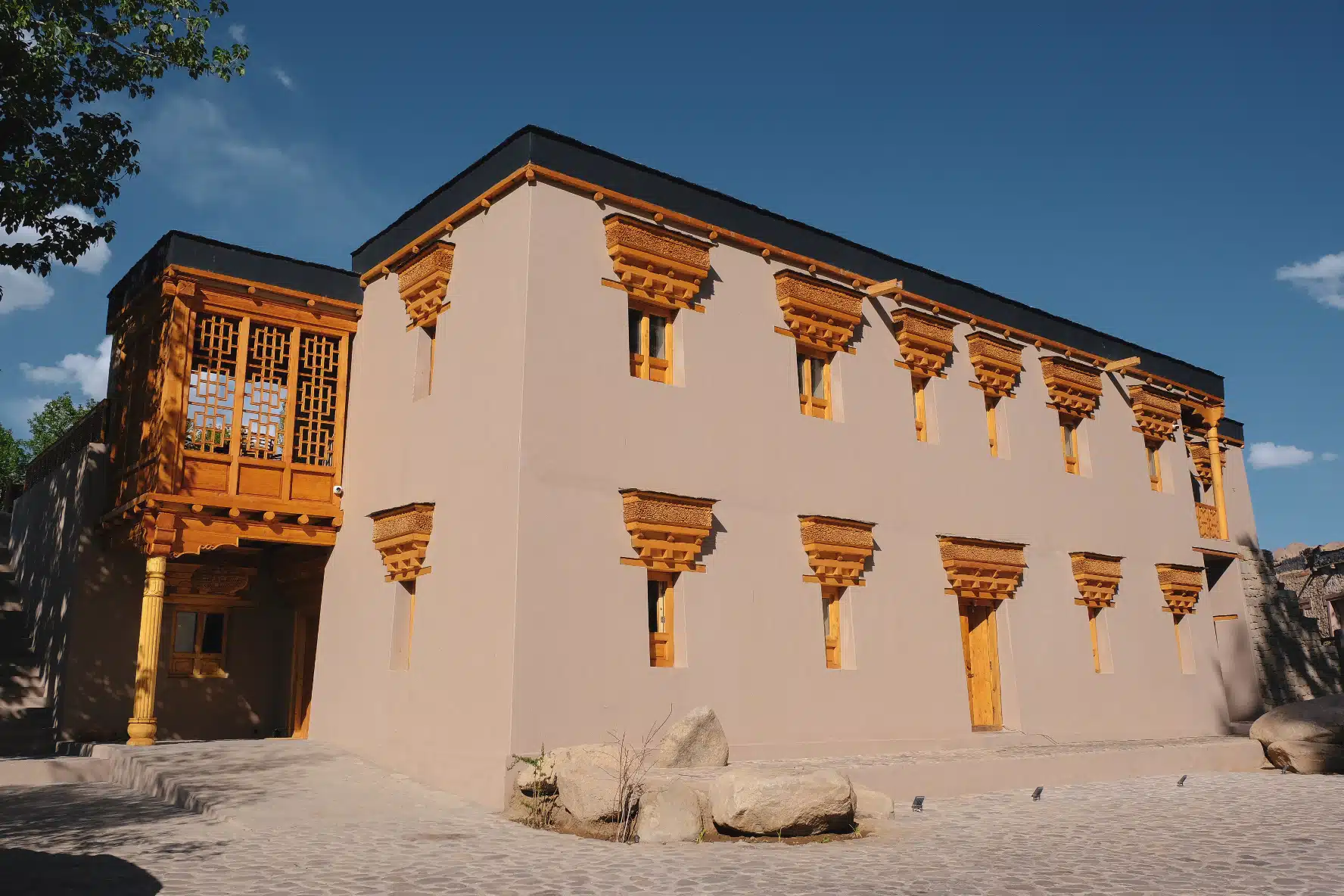
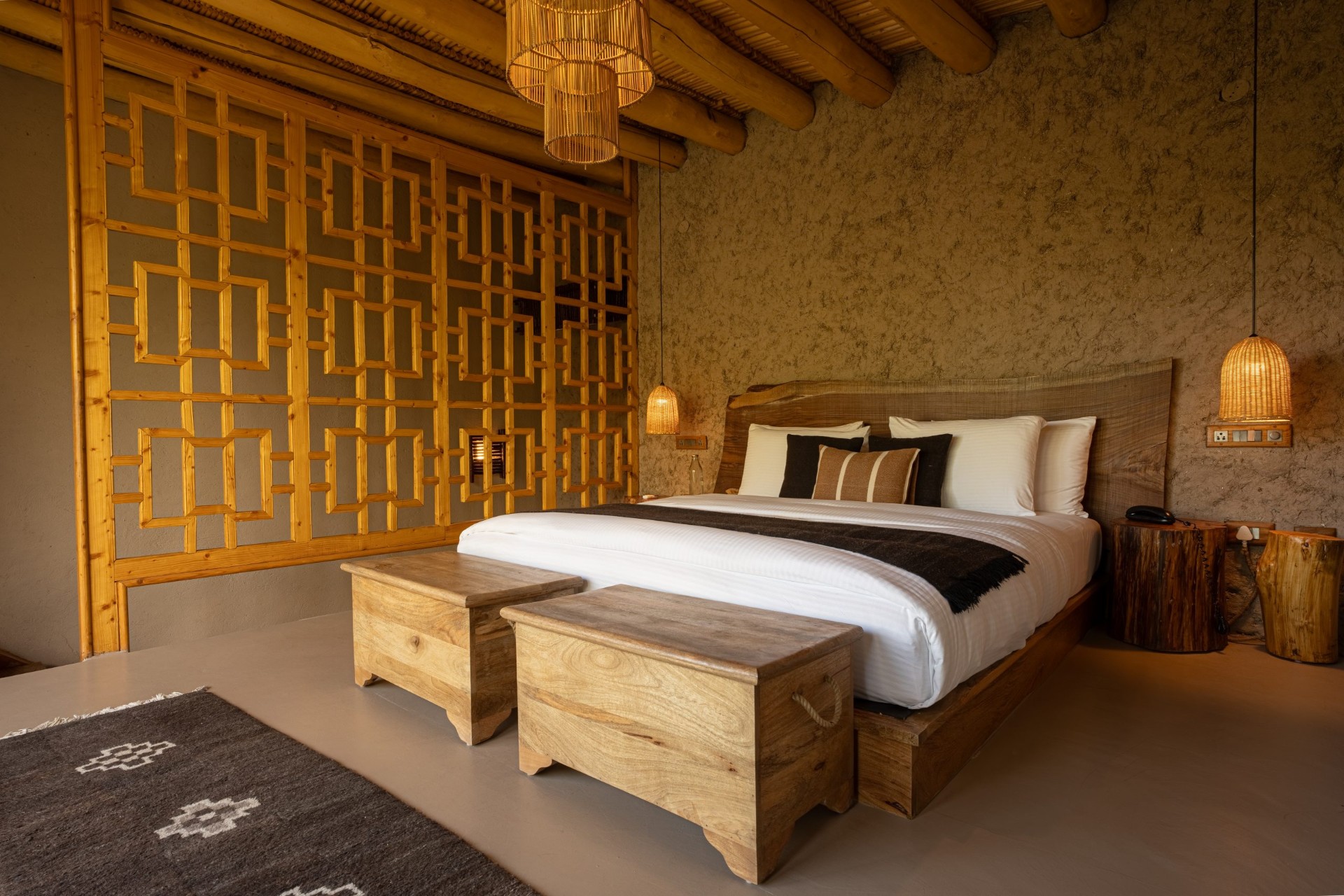
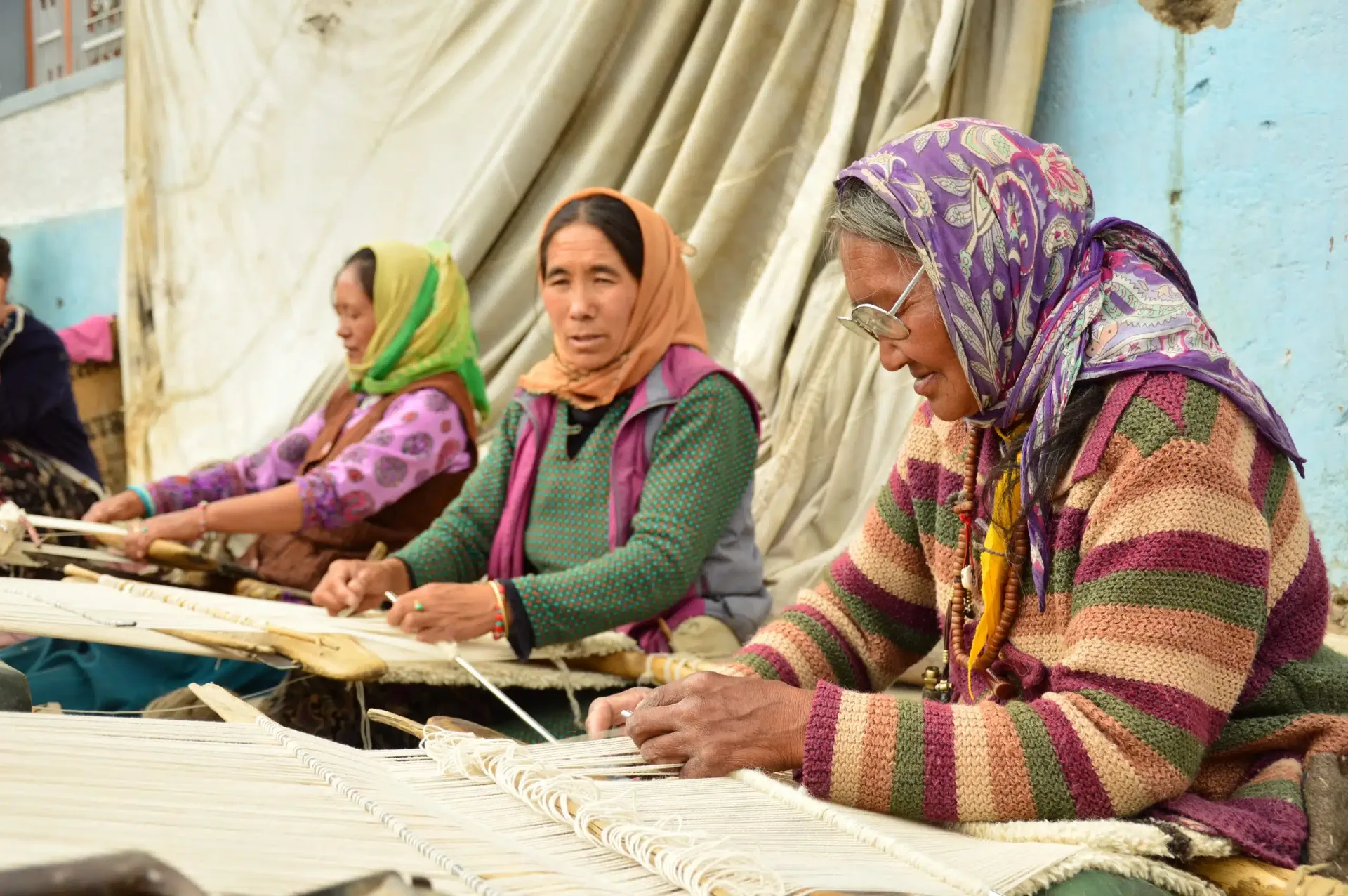
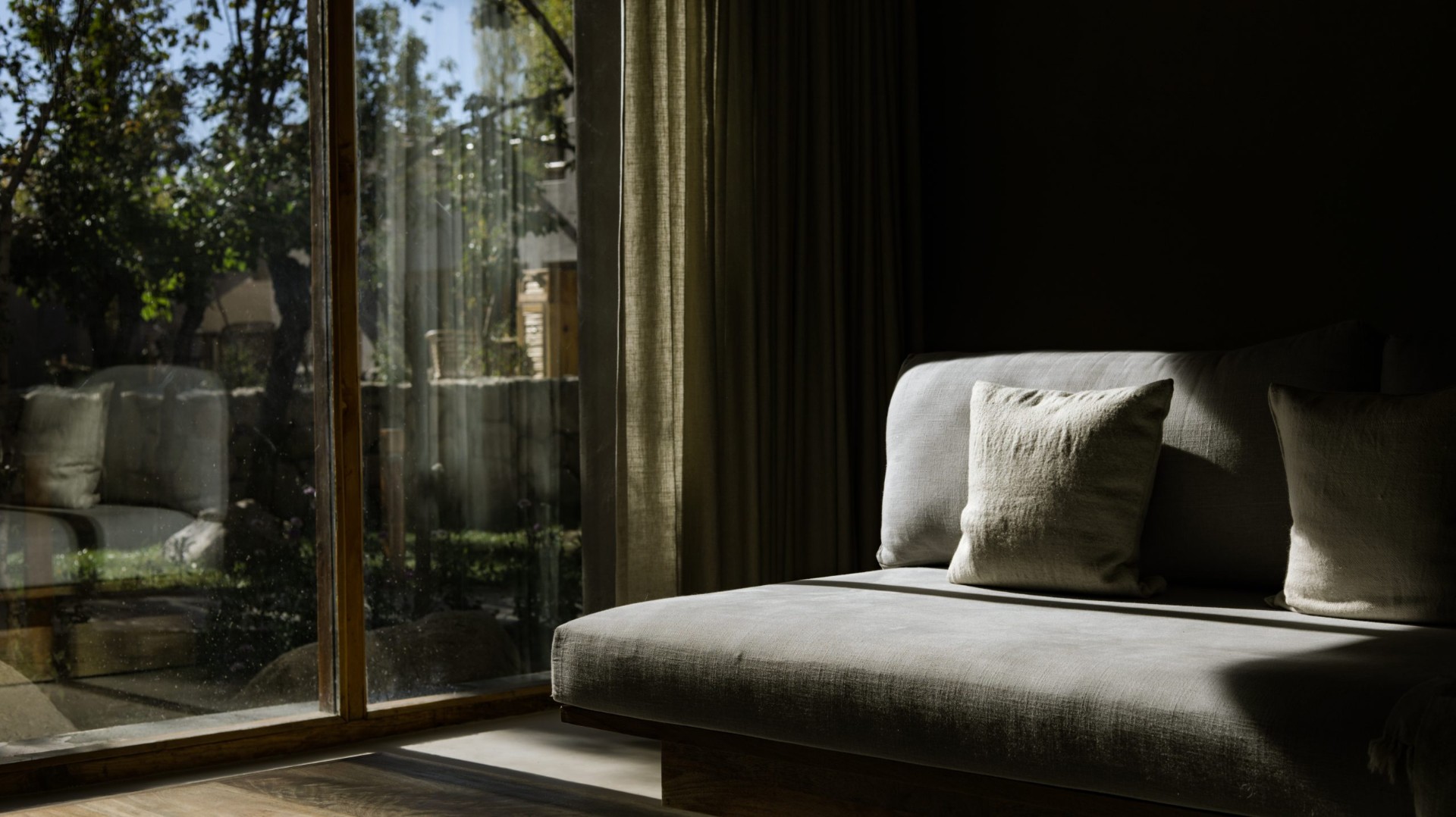
The practical and philosophical entry point. Five of the eight biennale sites — Leh, Basgo, Likir, Nurla and Lamayuru — are within day-trip reach. Built from compressed earth blocks and indigenous stone, with interiors crafted by more than forty Ladakhi artisans, Dolkhar is a living introduction to the regional craft traditions sā is in dialogue with, and a kind acclimatisation point for altitude.
The road north over Khardung La — a deliberate decompression after the corridor.
Lchang Nang Retreat
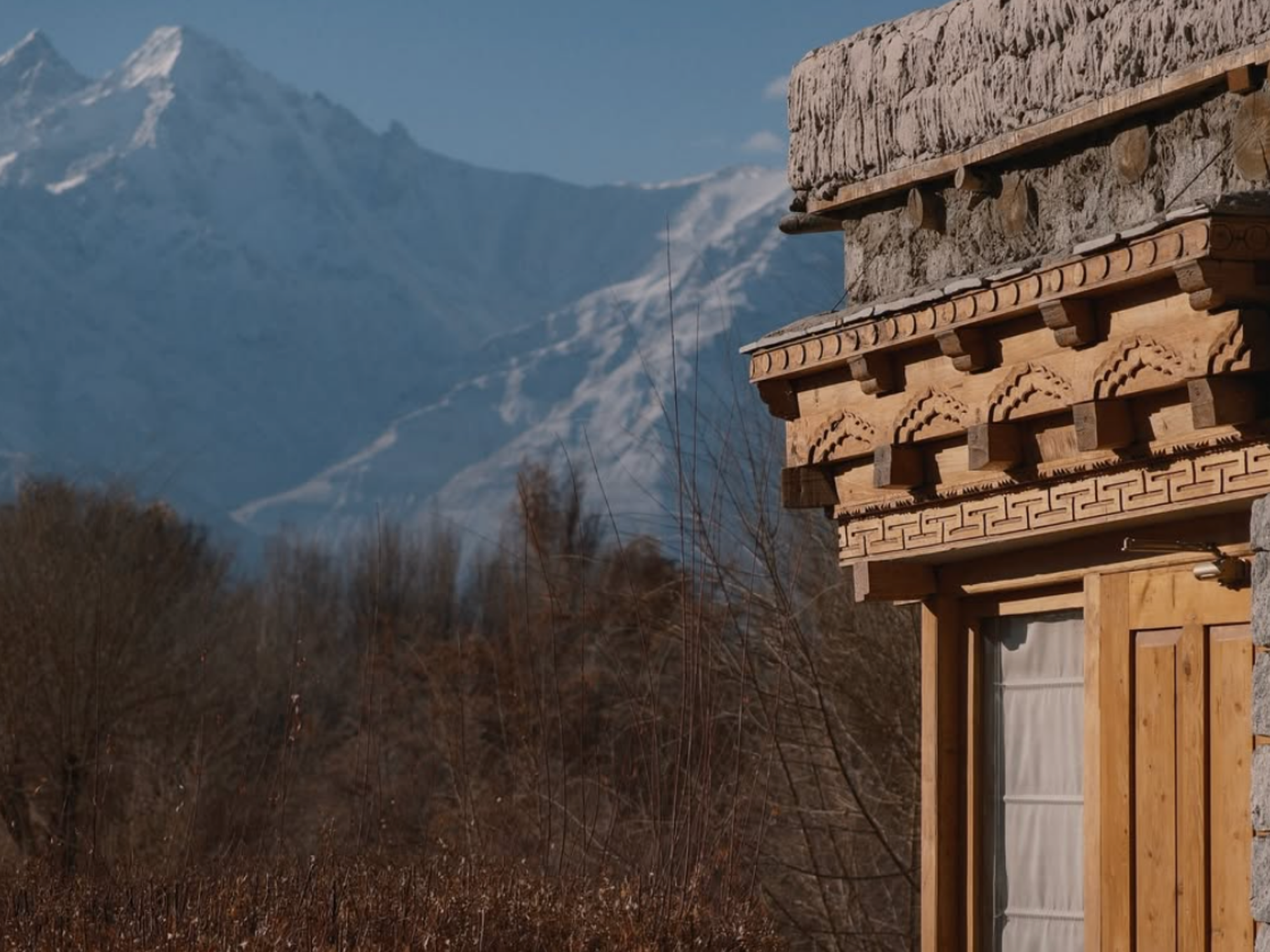
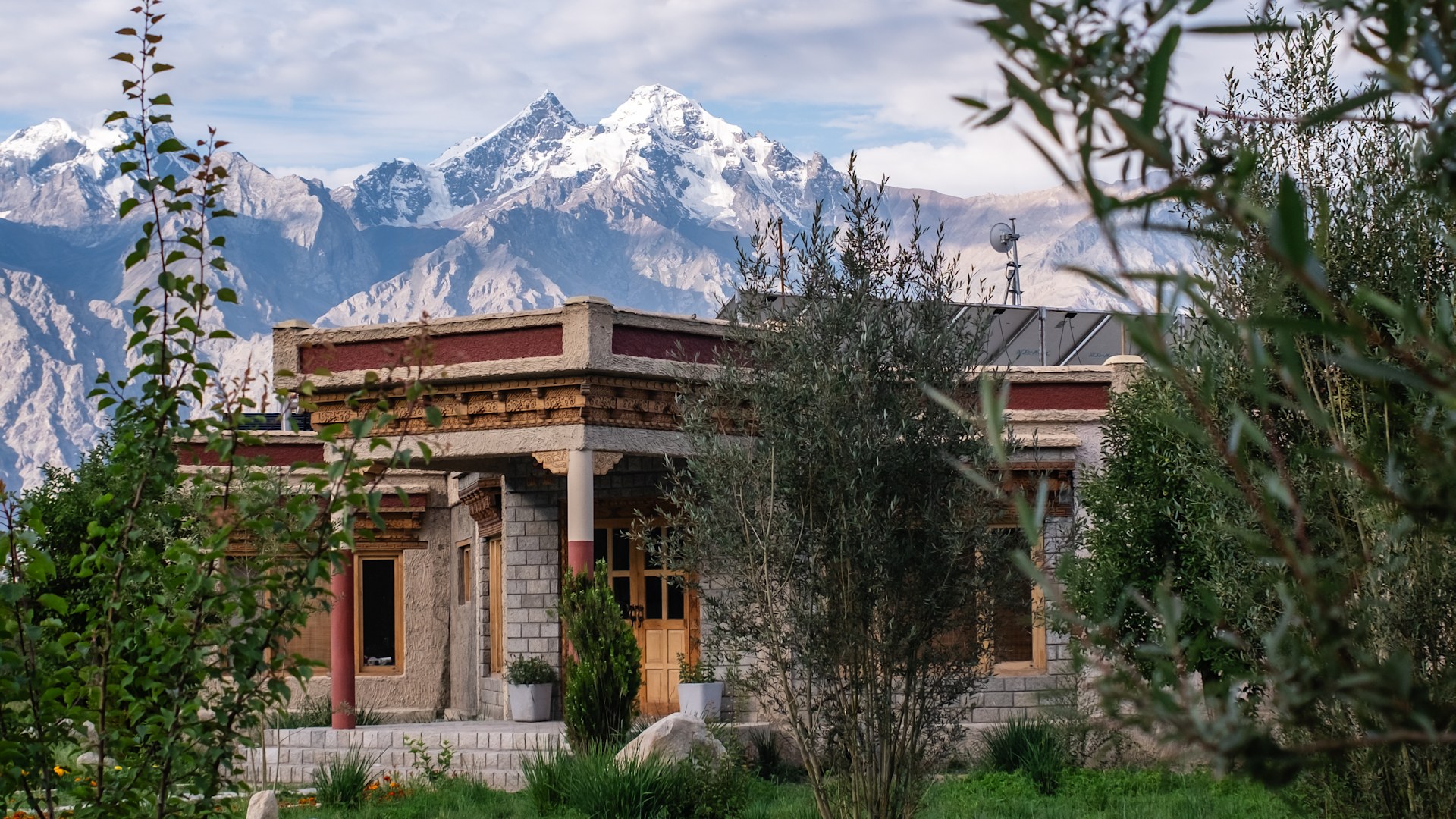
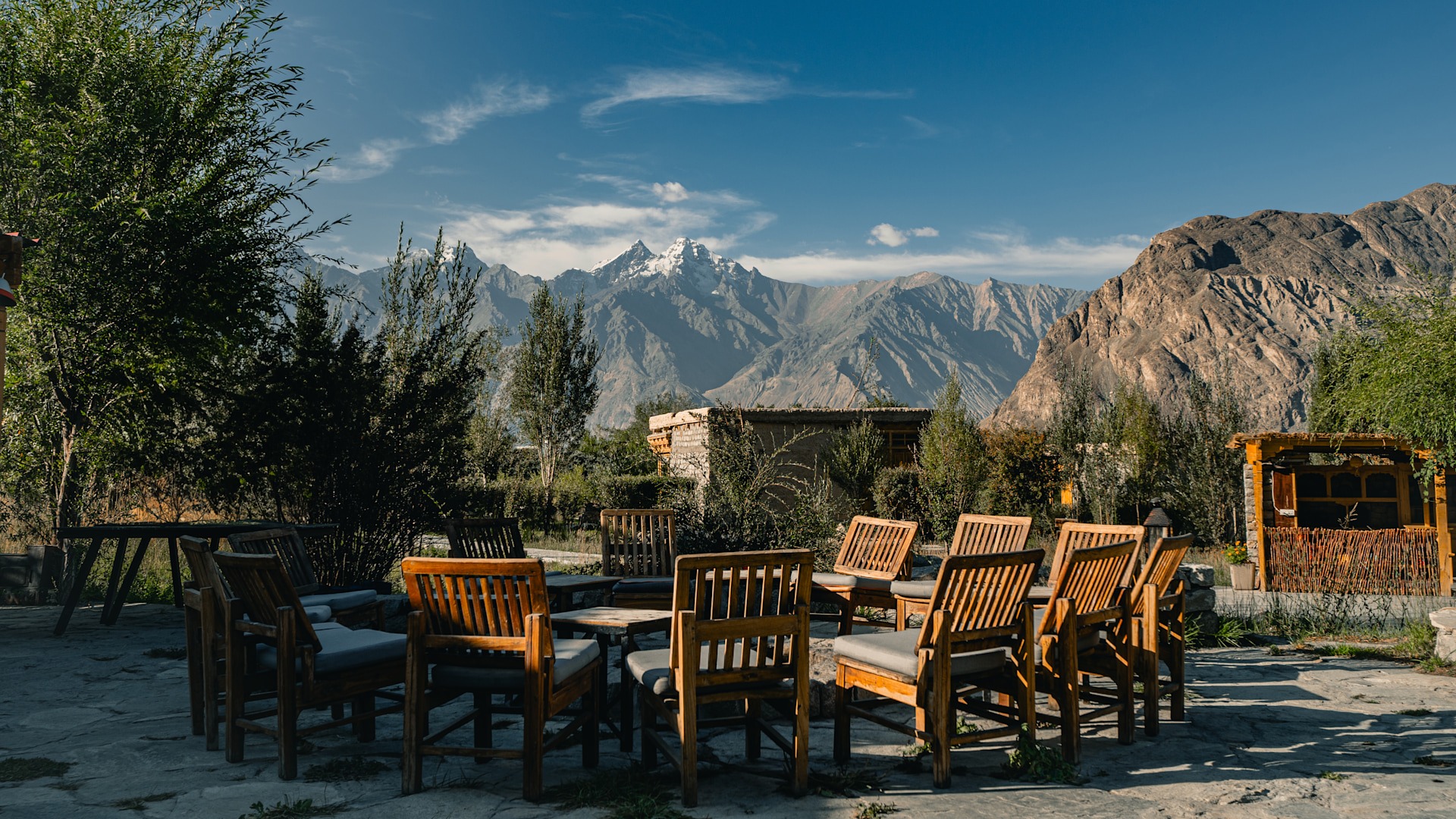
At the other end of the experience. After the biennale's intensity, the drive north over Khardung La into Nubra offers a deliberate decompression. Owned and run by the Kalon family on their ancestral land, the property was built in traditional Ladakhi style from mud, stone, willow and poplar. Nubra — the final Ladakhi stop on the old Silk Route — gives the biennale's themes of memory and exchange a wider geographic frame.
A Suggested Arc
Pacing the corridor
- 01
Three to four nights at Dolkhar
Acclimatise in Leh and explore the eastern biennale sites — Basgo, Likir, Nurla and Lamayuru — within easy day-trip reach.
- 02
Two to three nights along the western corridor
Drive west toward Kargil with overnight stops at Mulbekh and Heniskot, letting the landscape carry you between installations.
- 03
Three to four nights at Lchang Nang
Cross Khardung La into Nubra and allow the work to settle into the landscape that shaped it.
Centuries-old monasteries along the Leh-Kargil corridor — sites the biennale enters into dialogue with.
Practical Notes
Before you go
Entry to the biennale is free. The nearest airport is Kushok Bakula Rimpochee Airport in Leh, with onward travel by cab, rental bike or bus along the Manali-Leh or Srinagar-Leh highways. Weather in Ladakh shifts quickly even in August, so pack for sun, rain and strong winds in equal measure.
The full programme will be published closer to the event on the official sā Ladakh website.
"For members and advisors building client journeys around sā Ladakh 2026, our team can arrange stays at both Dolkhar and Lchang Nang and shape a private itinerary that weaves the biennale's eight sites into a wider Ladakhi story."
Design Your Journey
India Travel Designers in Our Network
For members and travellers building a journey around sā Ladakh 2026, these designers know the Indian subcontinent intimately — from the Himalayan corridors to sacred forests in the south — and can weave the biennale into a wider regenerative itinerary.
Bilal Ahmed Chapri
Discovery Journeys India
25+ years crafting bespoke cultural and adventure itineraries across the Indian subcontinent — rooted in regeneration, low-carbon travel and community empowerment.
View Profile
Yeishan Goel
Himalayan Echoes
A cultural and community-based collective curating purposeful journeys across Bhutan, Nepal, Sikkim and Tibet — rooted in storytelling, sacred traditions and regenerative mountain economies.
View Profile
Sukeerti Raikwar
Soulful Safaris
Purposeful journeys across the Indian subcontinent at the intersection of communities, culture, heritage, art, nature and sacred forests — Tourism for Transformation.
View ProfileWhere to stay
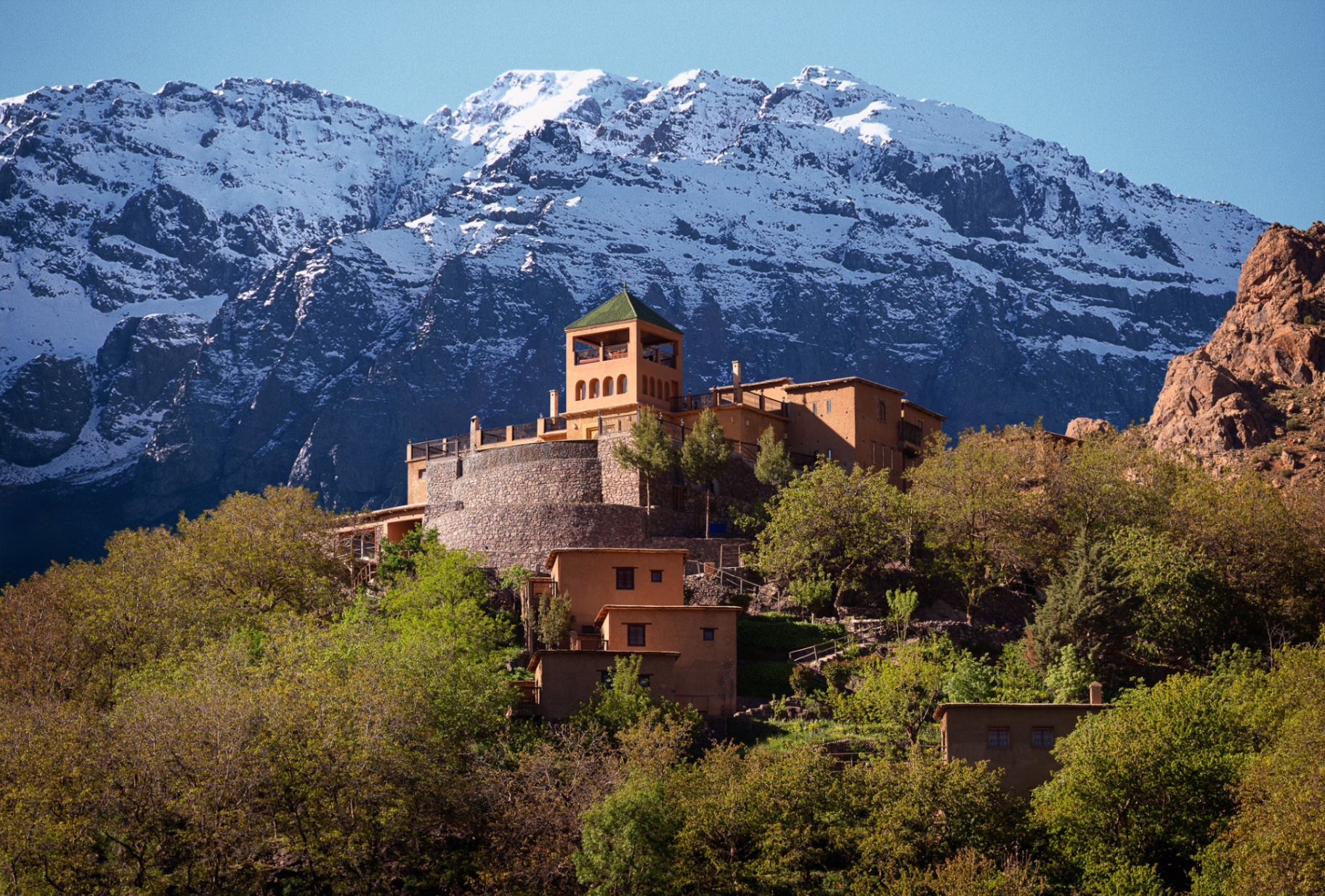
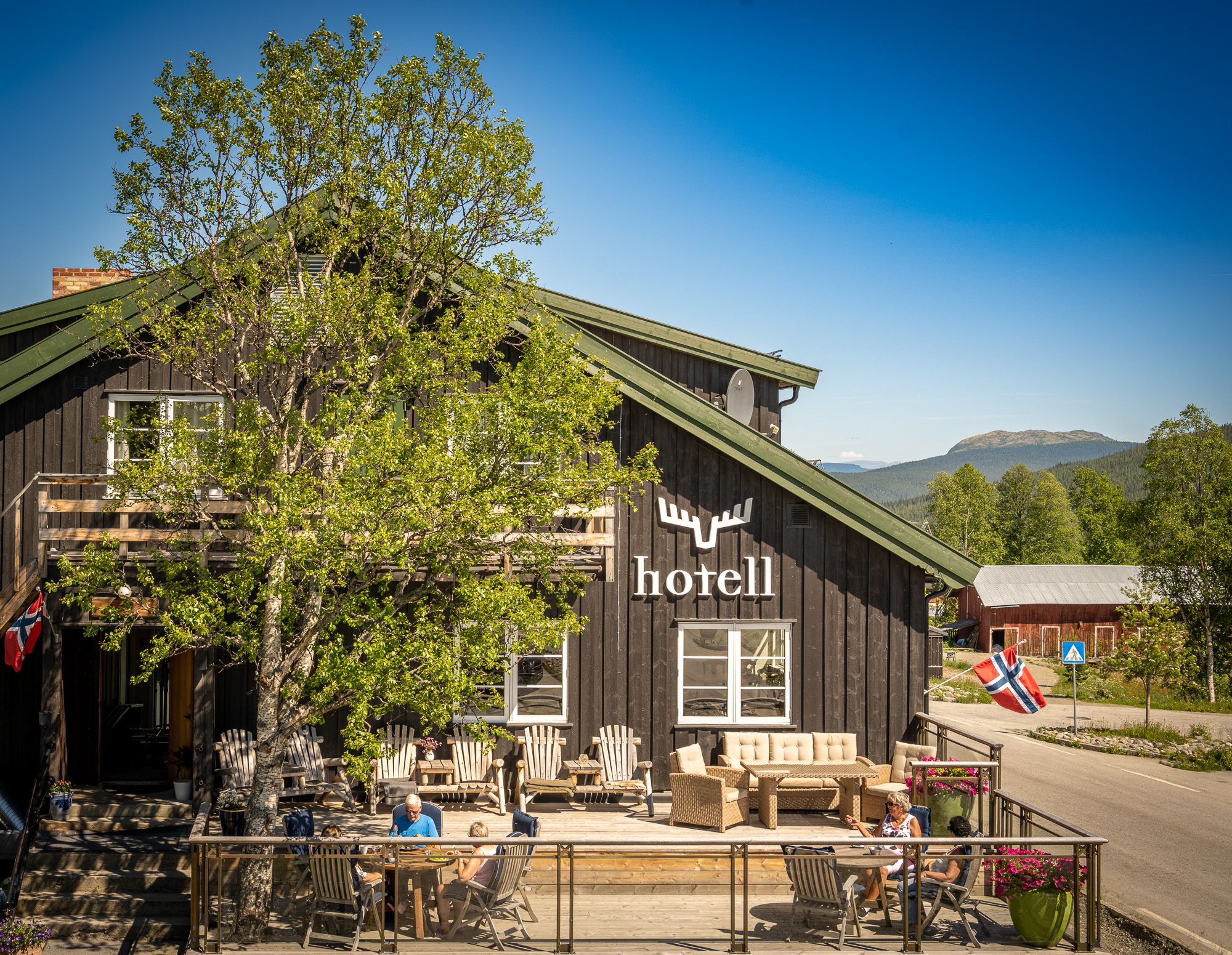
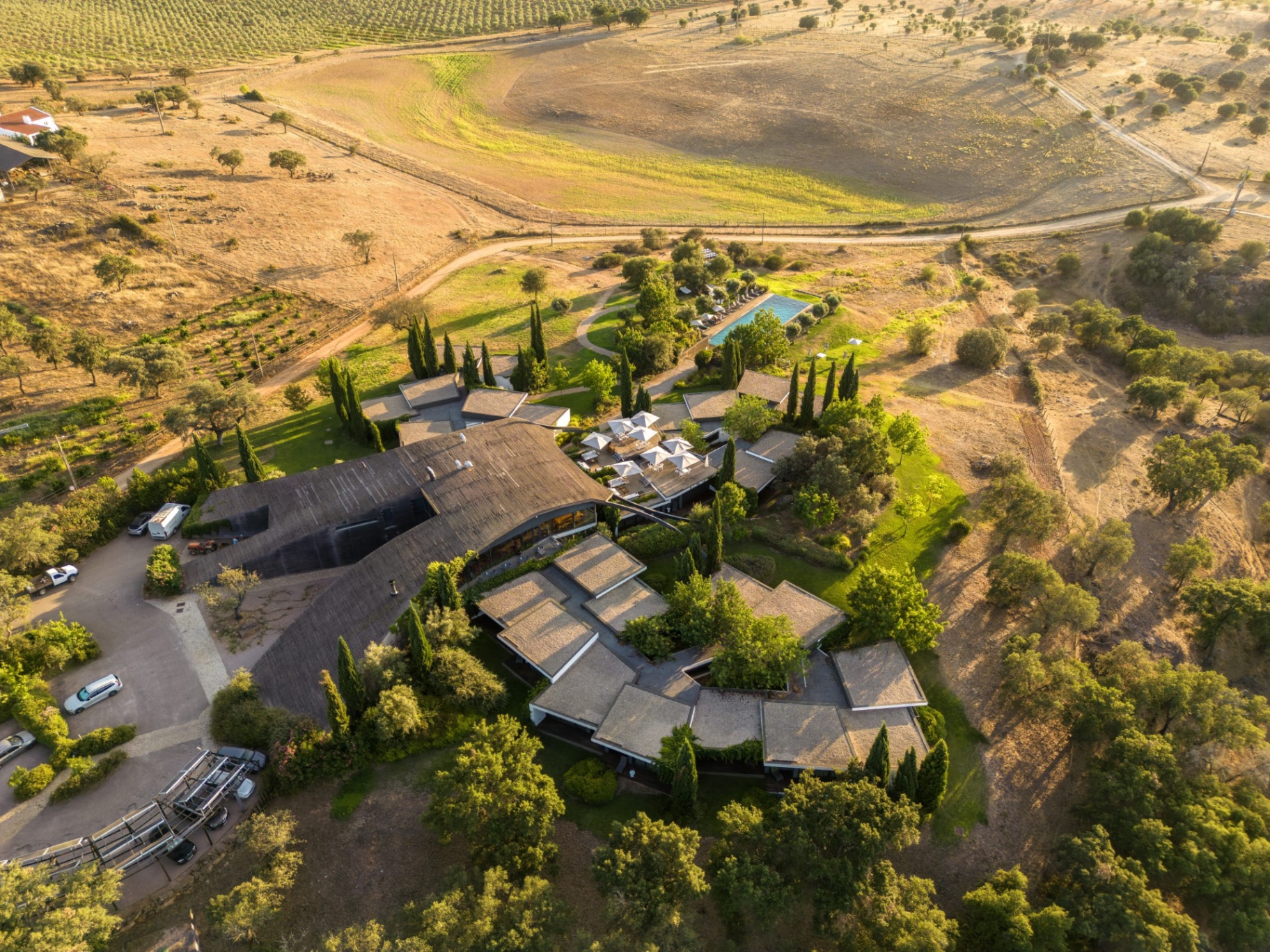
Suggested regenerative hotels
Continue the journey
Curated itineraries
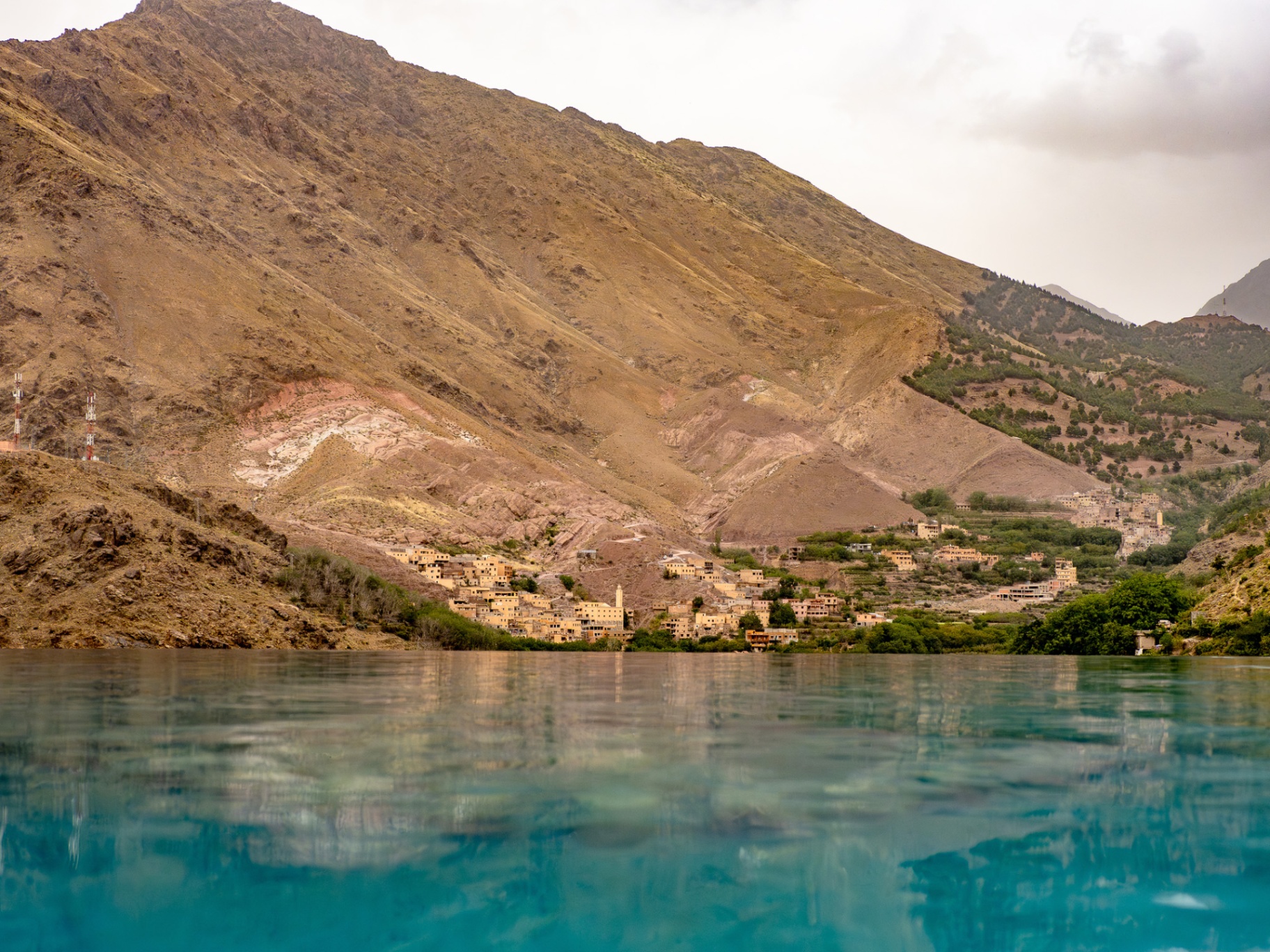
6 Nights · Morocco
Marrakech Medina & the High Atlas
This six-night journey traces two distinct but kindred expressions of Morocco — the intimate courtyard stillness of Dar Z5 in Marrakech's Dar el Bacha quarter, and the breathtaking mountain solitude of Kasbah du Toubkal in the High Atlas.
View itinerary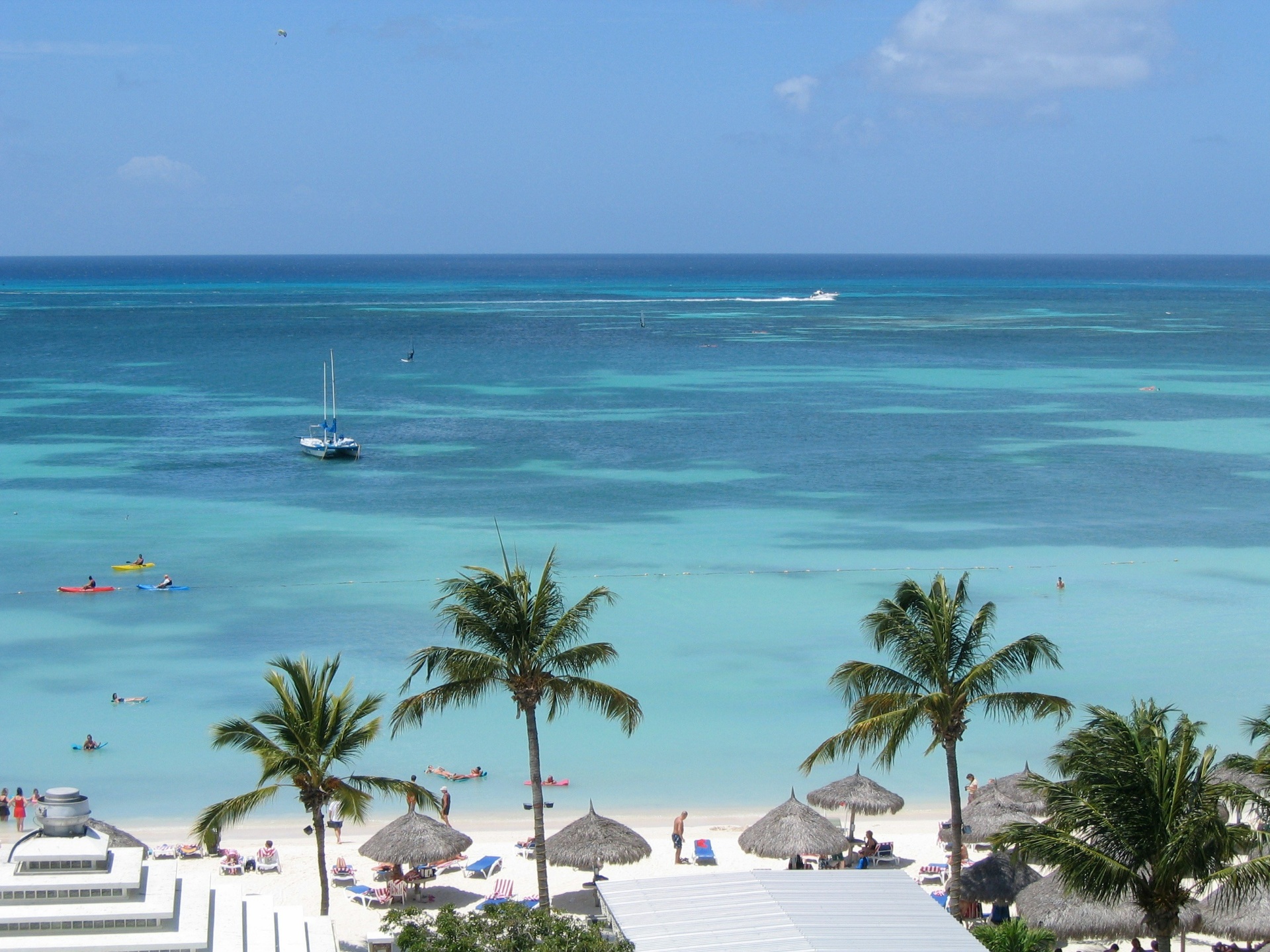
4 Days · Aruba
Salt, Seaweed & Sunrise
Four days at Boardwalk Boutique Hotel — foraging the windward coast with a local chef, diving a coral nursery with the kids who built it, walking Arikok at first light, and returning each evening to a coconut grove that's been waiting since 1890.
View itineraryKeep reading
More from the magazine
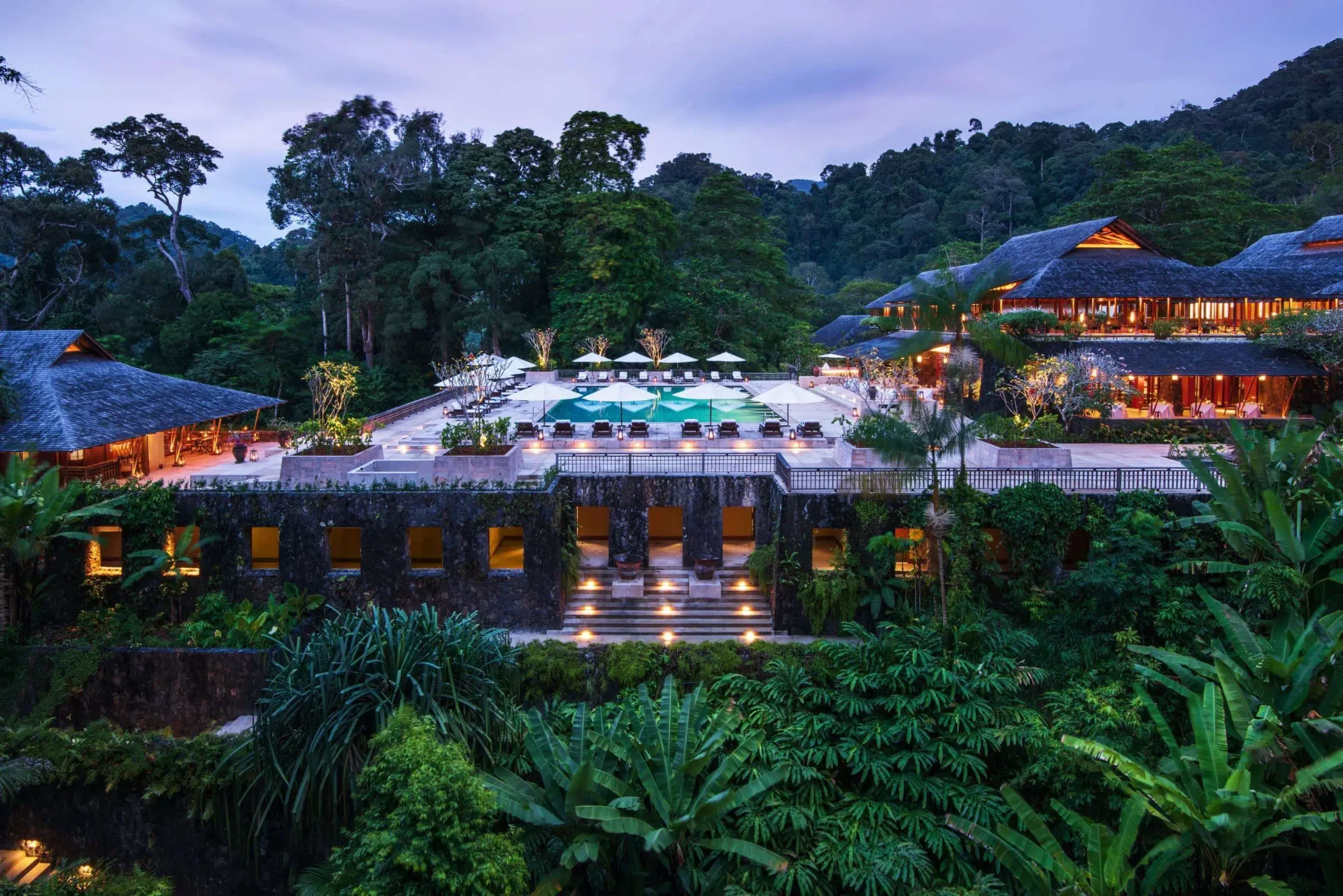
Asia
The Asia Issue: How Heritage and Regeneration Meet
From the Himalayas to the Ganges to the rainforests of Langkawi — how member properties across Asia express regeneration as a centuries-old practice.
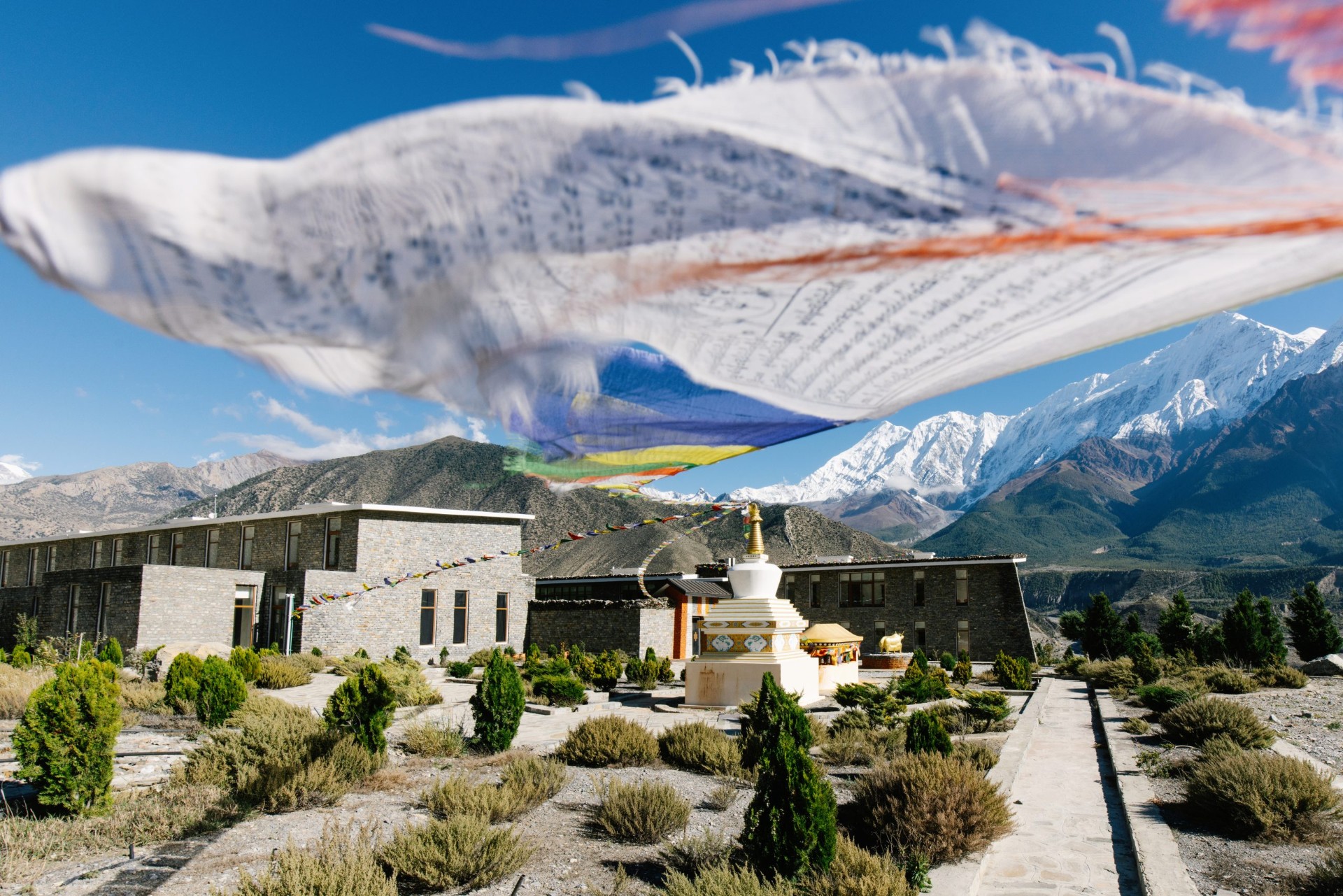
Mountains
Mountain Retreats in Reverence to the Earth and Climate
From Mustang to the Atlas to Nubra — how a new generation of mountain lodges is building lightly, listening first, and letting culture and ecology lead.