
From Extraction to Regeneration
A Conversation with Urbanist Tony Cho
Ahead of the Generation Regeneration Online Global Summit, Regenerative Travel Co-Founder and CEO, Amanda Ho sits down with urbanist Tony Cho to talk about where the movement is headed — and why sustainability alone was never going to be enough.
Most of us were never taught how to live regeneratively. We inherited extractive systems — in our cities, our food, our health, our daily rhythms — and called it normal.
Tony Cho has spent his career trying to change that. As the founder of Future of Cities and a longtime voice in regenerative placemaking, he's built his work around a simple but demanding idea: that the built environment should give back more than it takes.
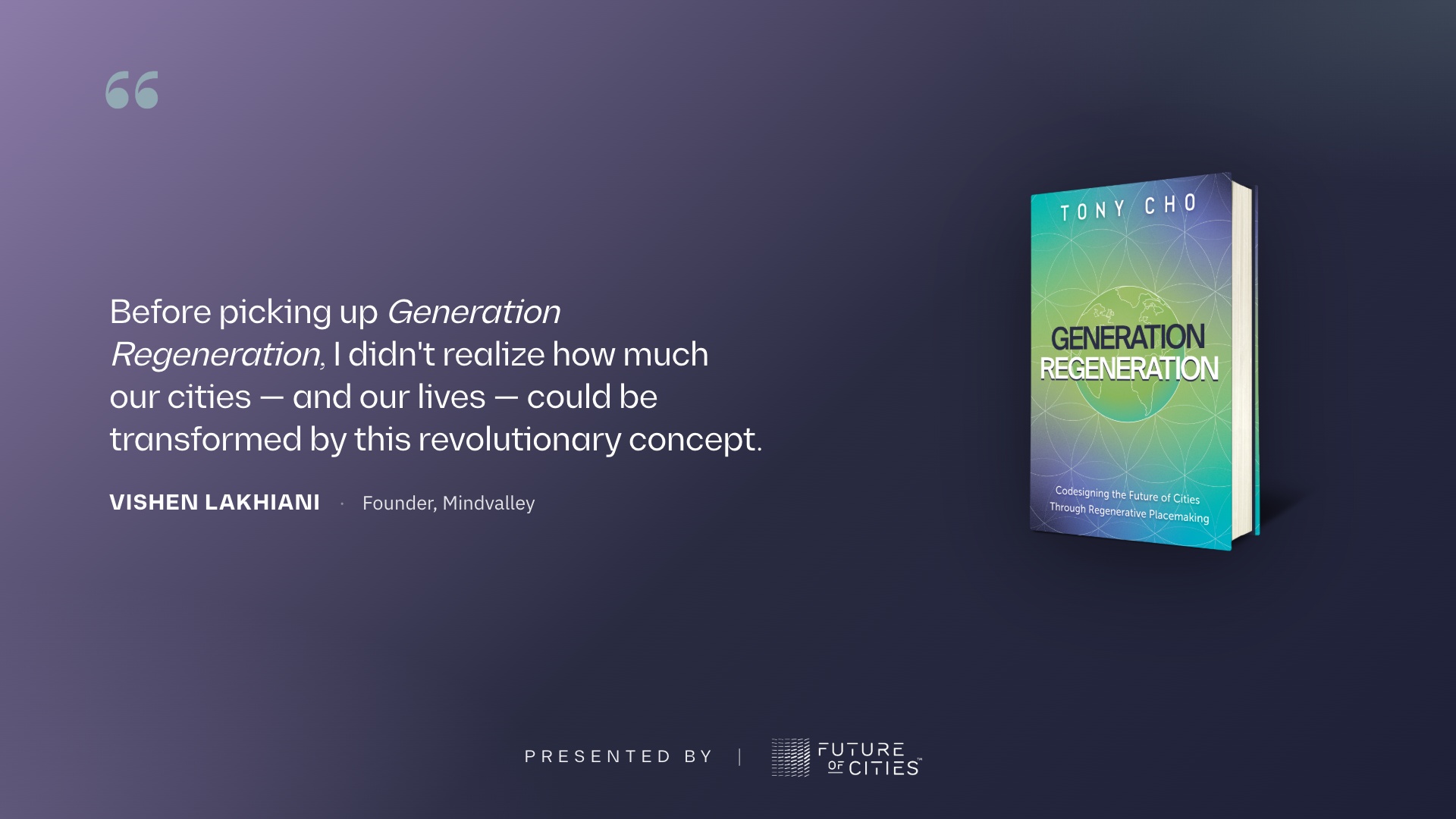
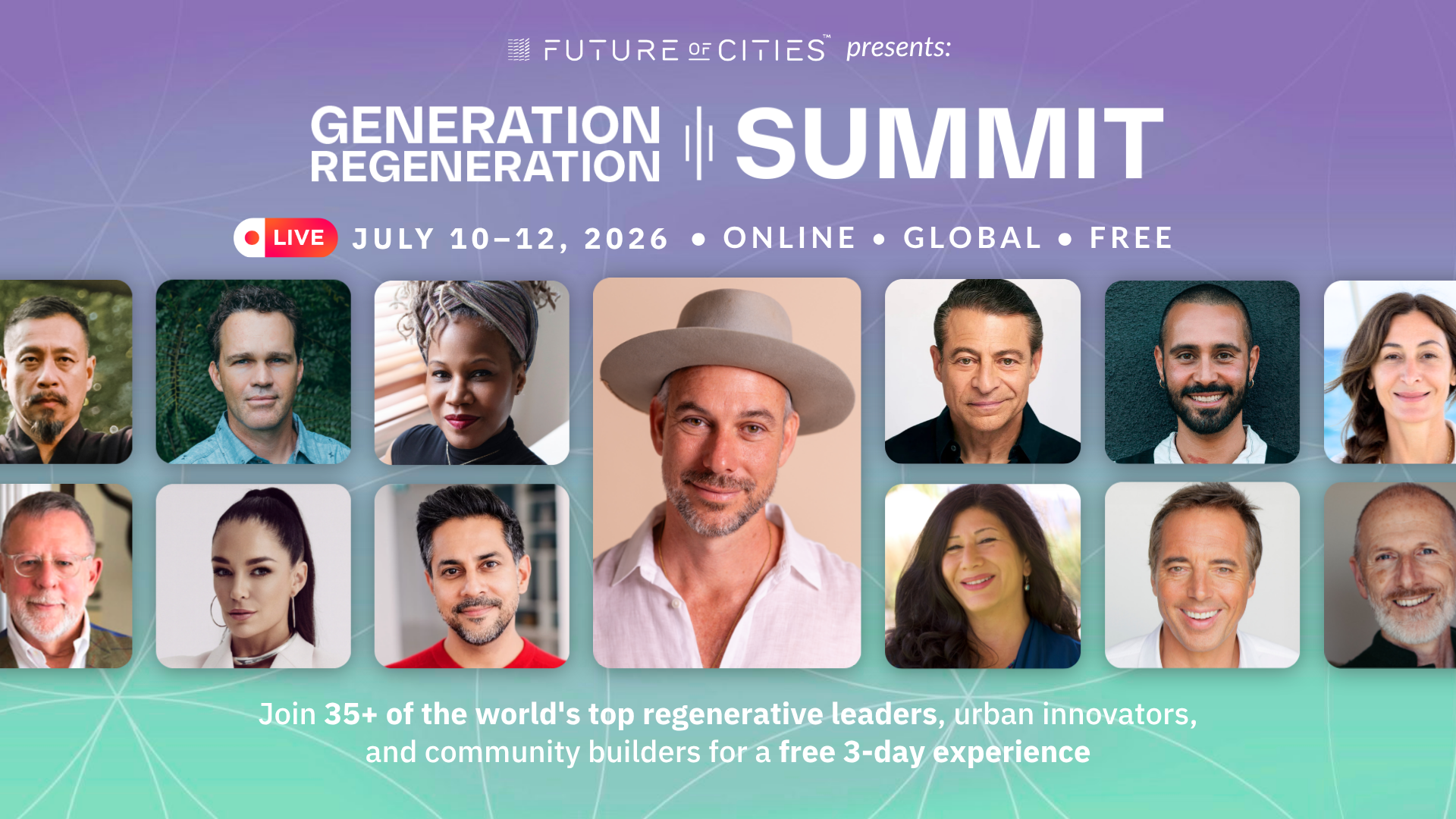
This July, he's bringing that conversation to a global audience as host of the Generation Regeneration Online Global Summit, a free three-day virtual gathering of more than 35 speakers working across personal transformation, community, nature, and culture — from Dan Buettner and Paul Stamets to Dr. Zach Bush and Vishen Lakhiani.
Regenerative Travel is proud to be an affiliate partner of the summit. It's a natural fit: everything Tony describes below — the return to nature, to community, to soil, to simplicity — is the same thesis RT has built a decade of work around, just applied to how the world moves and stays.
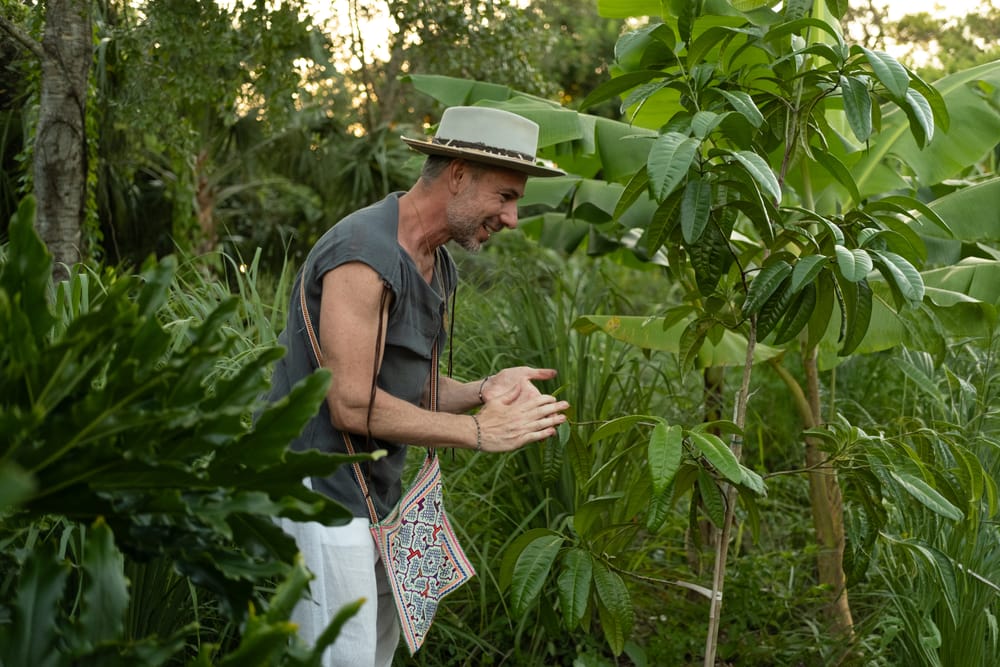
Before the Interview: Who Is Tony Cho
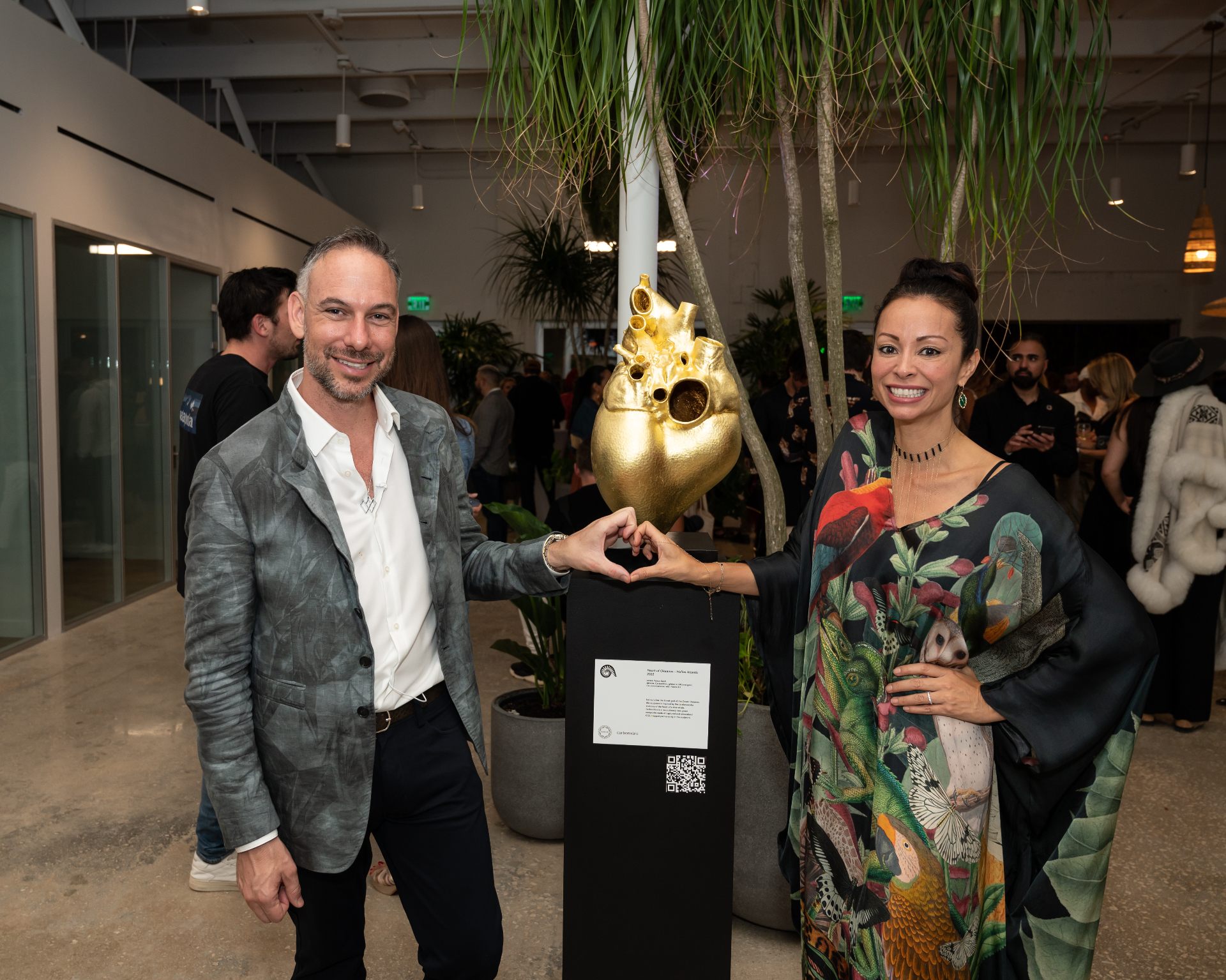
Tony's path to regenerative placemaking didn't begin with a theory. It began in Wynwood, in 2005, when he opened his first business, a brokerage called Metro 1, in a neighborhood most people had written off. He became a founding member of the Wynwood Business Improvement District and helped push through the rezoning that turned the area into Miami's round-the-clock arts and innovation district — one of the earlier proof points, long before the language of "regeneration" existed, that a place could be rebuilt without being erased.
Three years later, the 2008 financial crisis nearly took it all back. Florida real estate was hit especially hard, and Tony has described that period as the lowest point of his professional life — the market losing half its value overnight, properties he couldn't move, a house heading toward foreclosure. It was also, by his own account, the year he met Ximena. They moved into a one-bedroom apartment, and for a time she was the one keeping the lights on.
What came after was a slower, more deliberate rebuild. Tony has said that watching artists and longtime residents get priced out of the very neighborhoods he'd helped revive was the moment he understood that successful real estate and healthy community aren't automatically the same thing — that gentrification isn't a side effect you can wave away, but a design failure to correct for. That understanding became the founding premise of Magic City Innovation District, his 18-acre project in Little Haiti built on formerly vacant warehouses rather than displaced housing, and later of Future of Cities, the consortium he launched in 2021 to bring regenerative design principles — land trusts, walkability, public-private partnerships, the 15-minute city — to urban development at scale.
But the clearest expression of his philosophy was never a development. It was ChoZen, the eco-retreat he and Ximena built together on the banks of the St. Sebastian River in Florida. What started as their home, where friends like Deepak Chopra and Jewel came to rest and reset, grew into a working community: geodesic domes and a vintage Airstream instead of standard rooms, communal meals sourced within three miles, a weekly artisan market, a rhythm built entirely around reconnection to land and to each other. Tony has called it a container for thought leadership around environmental stewardship, mindfulness, and spirituality — but it reads, in practice, as a couple's answer to the same question the rest of his career has been asking: what would it look like to build a place that gives back more than it takes.
Ximena co-created that vision alongside him for seventeen years, and later built something entirely her own — the ChoZen Center for Regenerative Living, dedicated to biodiversity protection and to amplifying Indigenous voices from the Amazon and beyond. She was diagnosed with stage 4 breast cancer in 2017 and lived with it for eight years, a stretch of time she came to call her greatest teacher. She passed in June 2025.
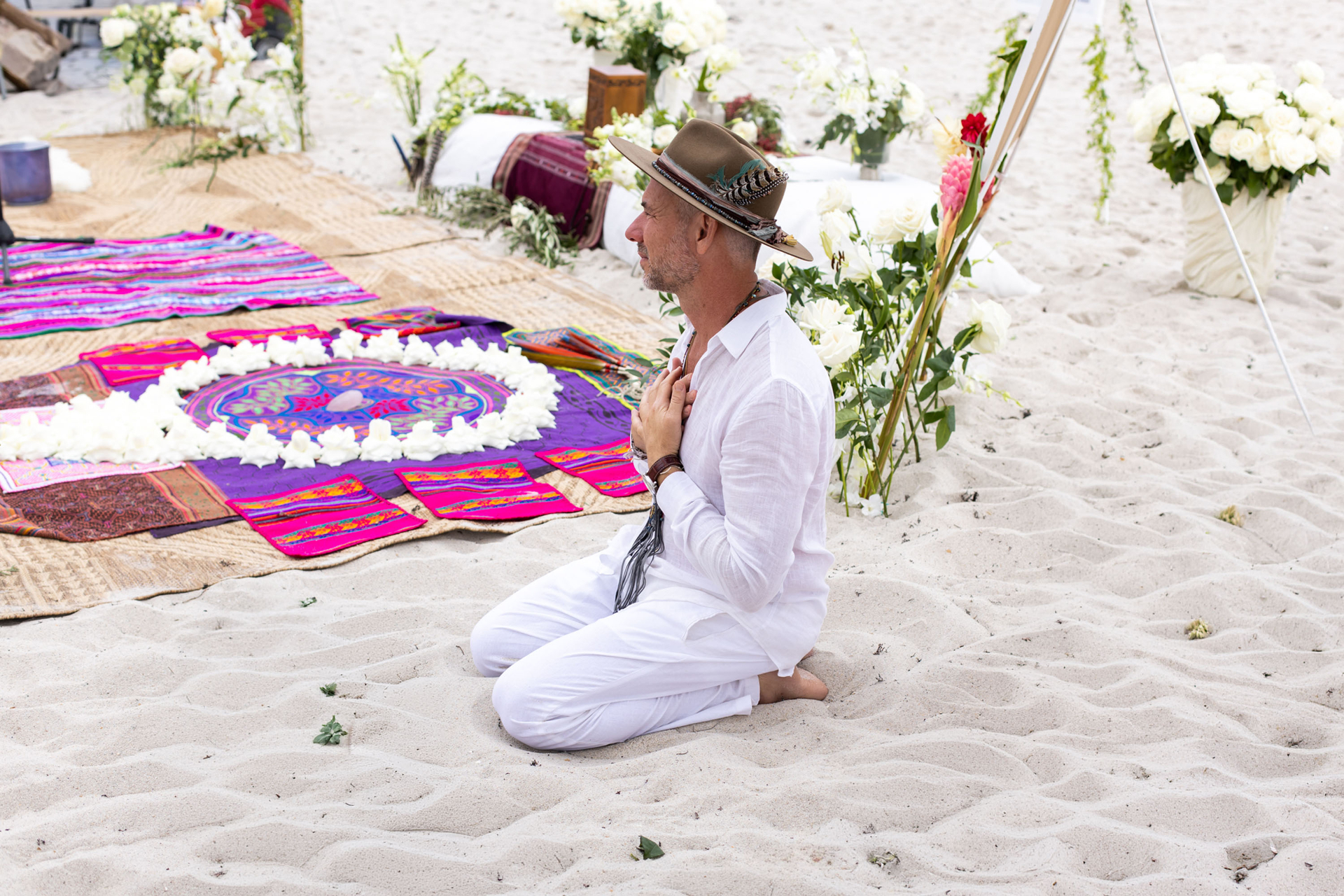
Tony has spoken since about carrying her outlook forward rather than setting it aside — the conviction that community, nature, and presence aren't separate from a well-lived life but the foundation of one. It's audible in everything he says about regeneration now: not a strategy to be optimized, but a relationship to be tended, the way he and Ximena tended ChoZen, and each other, for as long as they had.
Below is an edited excerpt from our conversation.
On What Regenerative Living Actually Requires
"Everybody's focused kind of on the products and the biohacking and the shortcuts to happiness and to regenerative living, when it's really back to the basics," Tony said. "Community is medicine, nature is medicine, food is medicine. First, we need to reconnect with nature… Once we're reconnected with nature, we can honor and respect nature and get more connected with our food system and our food source. Then we can regenerate the soil. Once we regenerate the soil, we can bring back the nutrients and the nourishment that we need that no supplement or pharmaceutical can replace."
The deeper crisis, he said, isn't ecological first — it's relational. "We need to get reconnected with our communities and our families. That's really what has disconnected us the most," pointing to rising rates of loneliness and anxiety. "We think that we're connected because we have social media and we have these phones, but those aren't real relationships. Those are digital online relationships. Nothing is going to replace the in-real-life experience, one-on-one, looking into somebody's eyes. AI is never going to be able to do that for us."
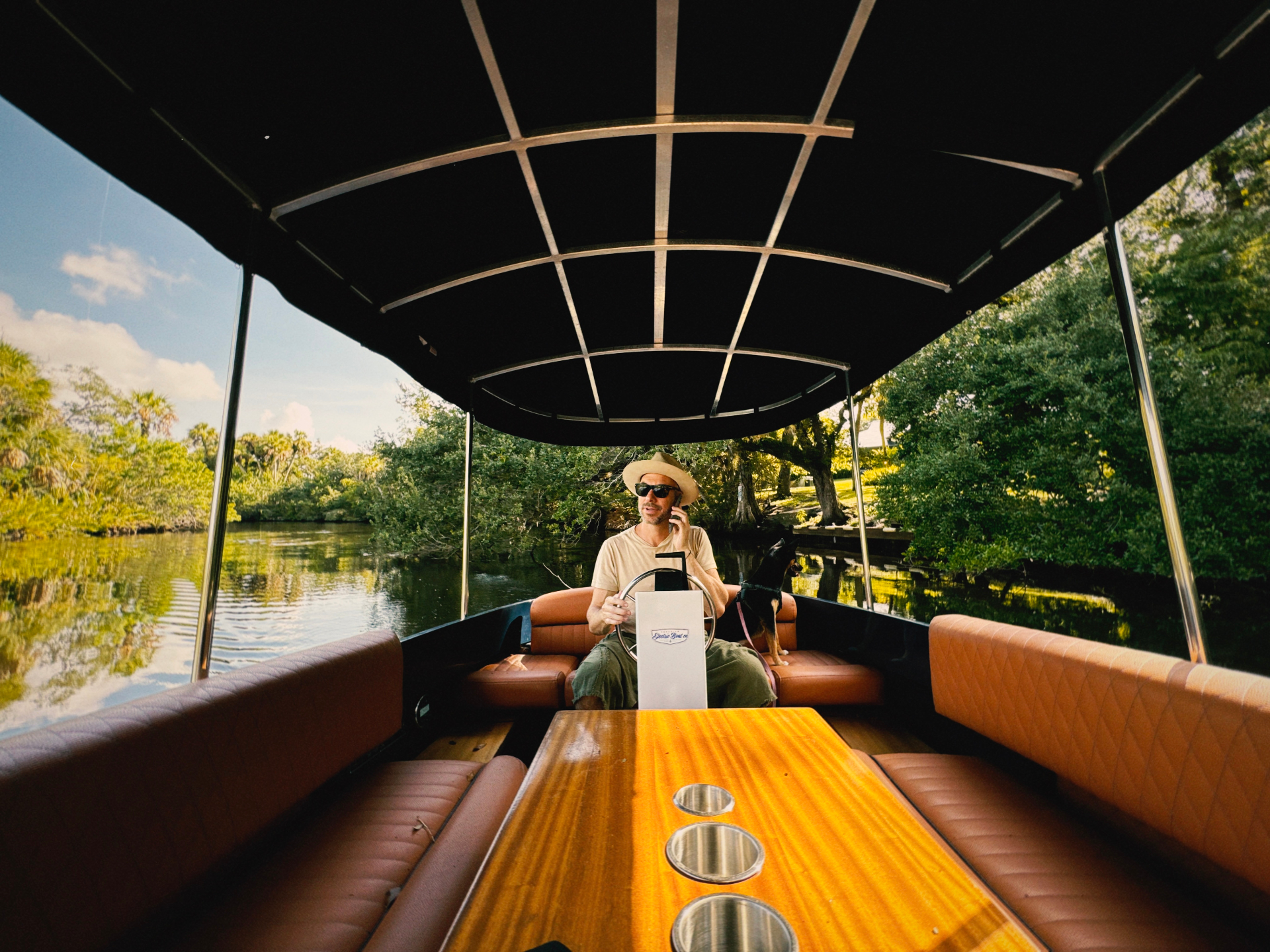
Technology still has a place. "We should absolutely leverage and use technology to the greatest service to humanity and to nature — but not the other way around. We shouldn't be ruled by it."
On Regenerating Cities, Not Just Wilderness
"We can't all move to the Amazon or move to Florida, chop down the wild places and pave over paradise. It just doesn't make any sense," Tony said. "So we have to make cities regenerative." He pointed to autonomous vehicles and 15-minute cities as tools for cutting noise and emissions, and offered a simple metric for civic health: "I rate the quality of a city by the quality of its rivers, its streams, its oceans, its forests, its parks."
Tony Cho walking a rewilded corridor at PHXJAX, 2023. Photo: Convergence.
The starting point, he argued, is internal. "We have to rewild our own hearts and our own minds so that we can rewild the cities." From there, he made the case for reclaiming shared space — parks, public realm, cooperatively held land — over an economy built on privately owned real estate sitting empty most of the year.
"Having many empty second, third, fourth, fifth homes in all of the major cities in the world that people don't spend much time in is not optimizing space," he said. "It's just like automobiles sitting vacant ninety percent of the time… it's optimization of the society we've created, in a way that promotes mental, spiritual, and physical wellbeing."
On Regeneration Versus Greenwashing
Is "regenerative" just the next marketing buzzword, following the same arc as "sustainable" and "organic"? Tony didn't dodge it. "I was part of the whole green building movement early on. I'm an environmental activist, and this movement has largely failed. The organic food movement has largely failed, because the premise is that you do less harm — which is not sexy at all," he said. "People need to be inspired about being part of the revolution, being part of the change, being part of something exciting. That's what the regenerative-everything movement is about — whether it's regenerative travel, agriculture, development, community, all of it."
Tony hosting a fireside gathering during ChoZen Safari Weekend, 2025. Photo: Matus.
His take on the buzzword criticism: "I don't think that regeneration is a buzzword as a concept. I think it's already anchoring, and the people who truly understand what it means find it relatable. It's exciting — it's not like, oh, I have to regenerate my life, my soil, my community. It's an exciting movement to be part of."
On whether the movement needs to grow faster, Tony reframed the goal entirely. "I don't know if it's about faster. I think it's deeper," he said. "Everything needs to be more anchored, more understood, more accessible to the common person. Why is regenerative anything important to them? People need to understand the simplicity of it. In many ways, less is more."
Join us
Generation Regeneration Online Global Summit
Tony's full talk, plus more than 35 speakers including Peter Diamandis, Sah D'Simone, Majora Carter, Jamie Wheal, and Carlos Moreno. Everyone who registers also gets early access to two summit sessions before it opens, a chapter of Tony's upcoming book Generation Regeneration, and a free Community Toolkit.
Register freeThis piece is an edited excerpt from a conversation between Regenerative Travel Co-Founder and CEO, Amanda Ho, and Tony Cho, founder of Future of Cities, ahead of the Generation Regeneration Online Global Summit (July 10–12, 2026). Regenerative Travel is an affiliate partner of the summit.
Where to stay
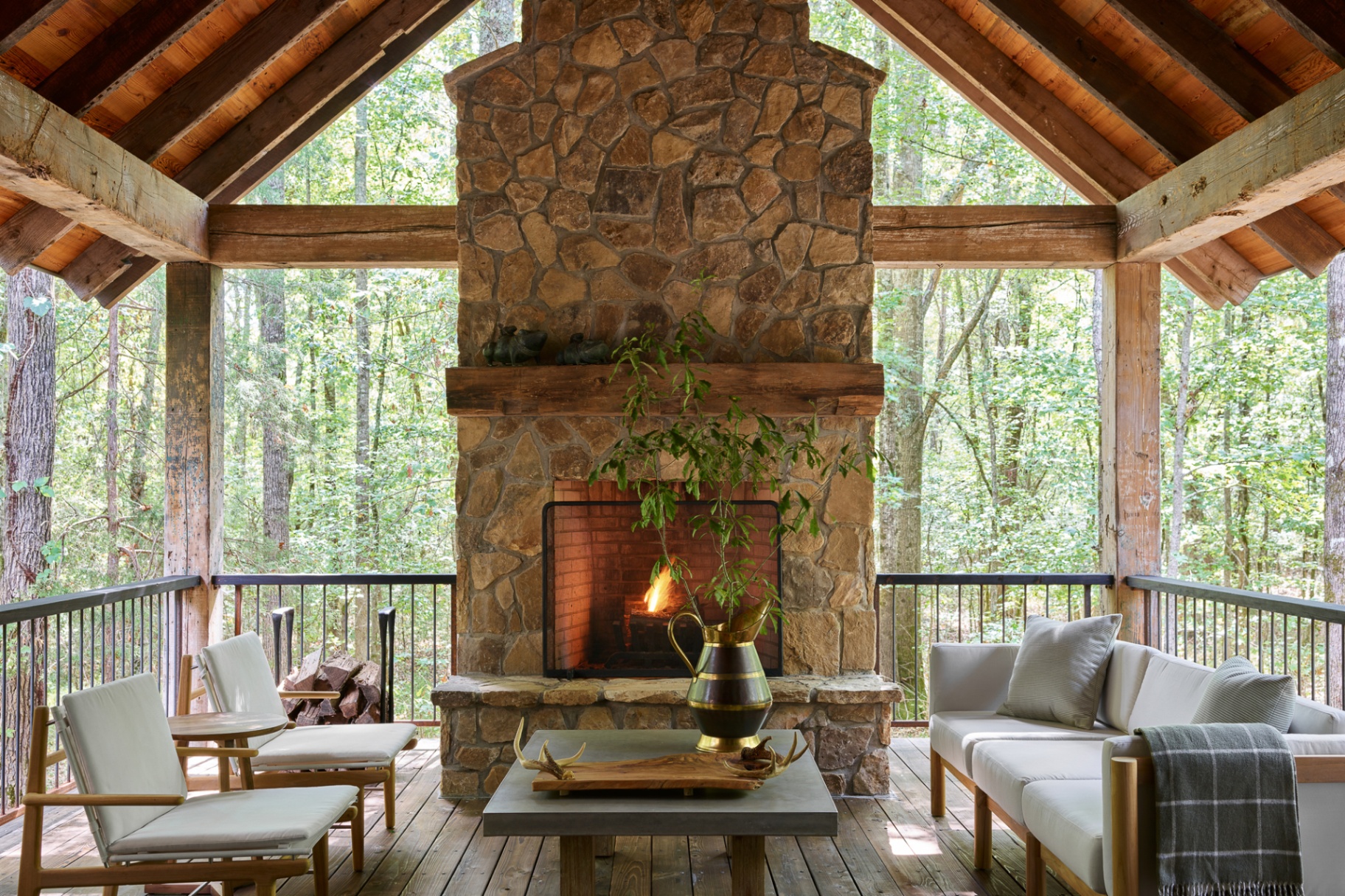
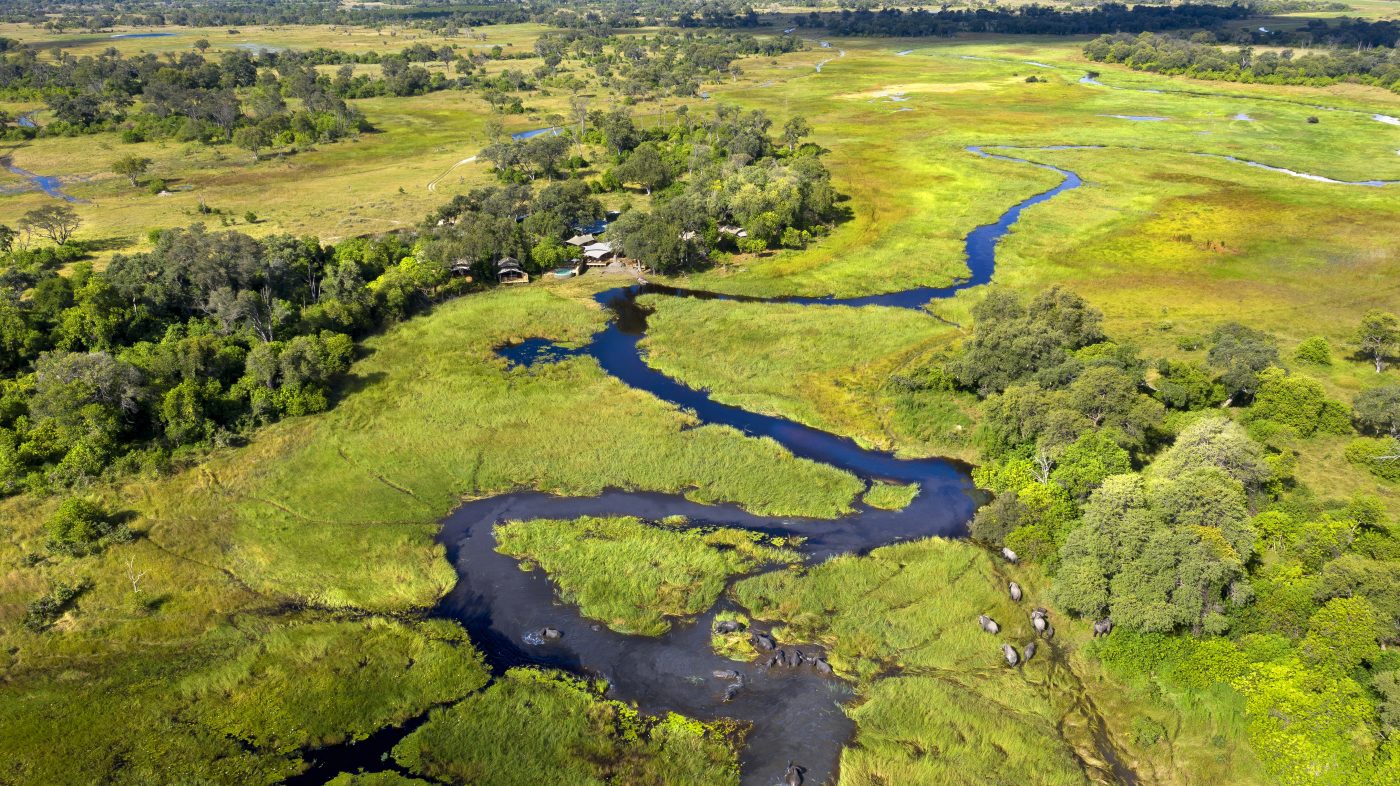
Suggested regenerative hotels
Continue the journey
Curated itineraries
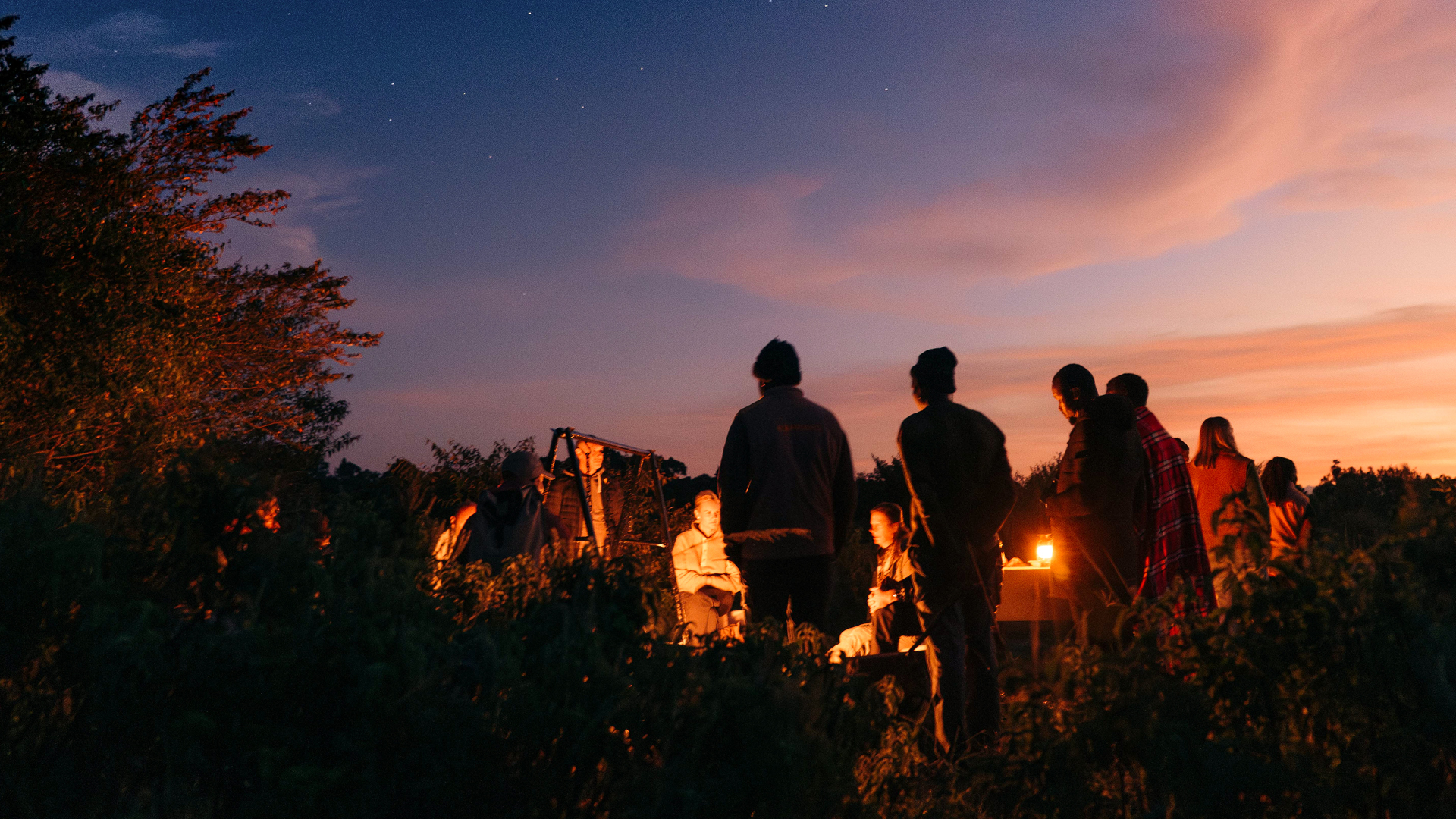
13 Days · Tanzania & Kenya
Serengeti, Mara & the Indian Ocean
A curated journey through Tanzania and Kenya's most extraordinary regenerative properties — from the Serengeti plains to the Maasai Mara and the crystal waters of the Indian Ocean.
View itinerary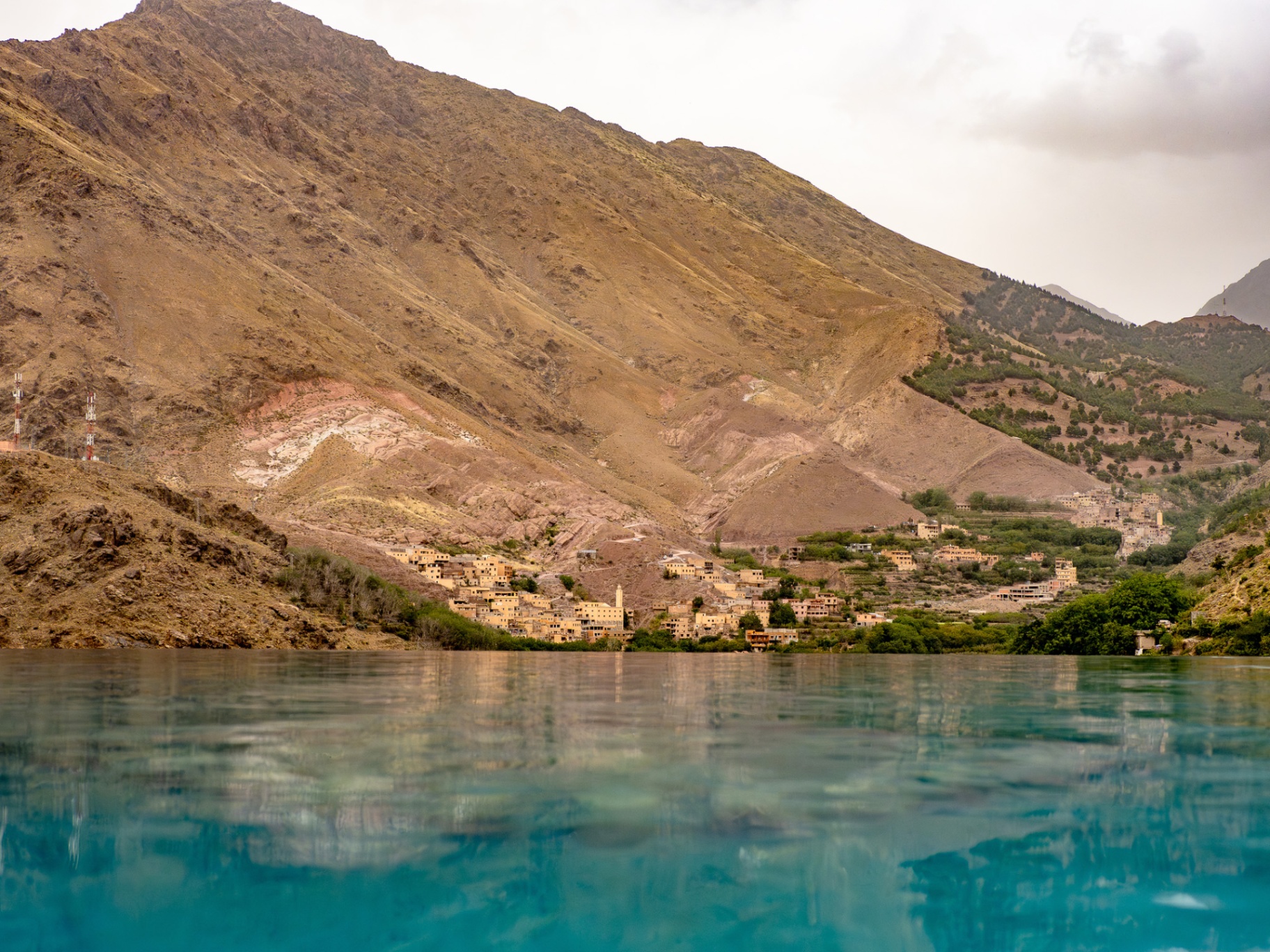
6 Nights · Morocco
Marrakech Medina & the High Atlas
This six-night journey traces two distinct but kindred expressions of Morocco — the intimate courtyard stillness of Dar Z5 in Marrakech's Dar el Bacha quarter, and the breathtaking mountain solitude of Kasbah du Toubkal in the High Atlas.
View itineraryKeep reading
More from the magazine
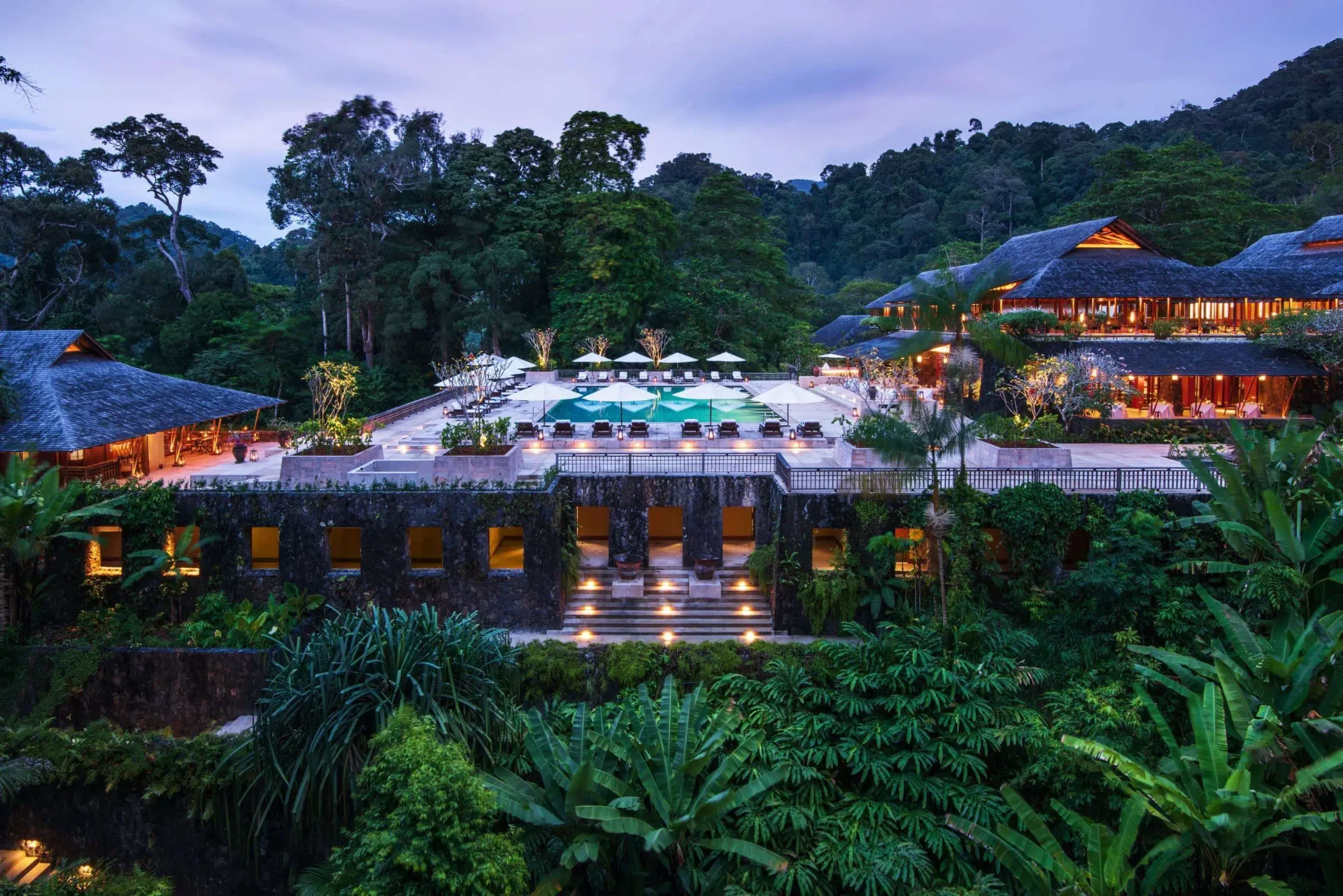
Asia
The Asia Issue: How Heritage and Regeneration Meet
From the Himalayas to the Ganges to the rainforests of Langkawi — how member properties across Asia express regeneration as a centuries-old practice.
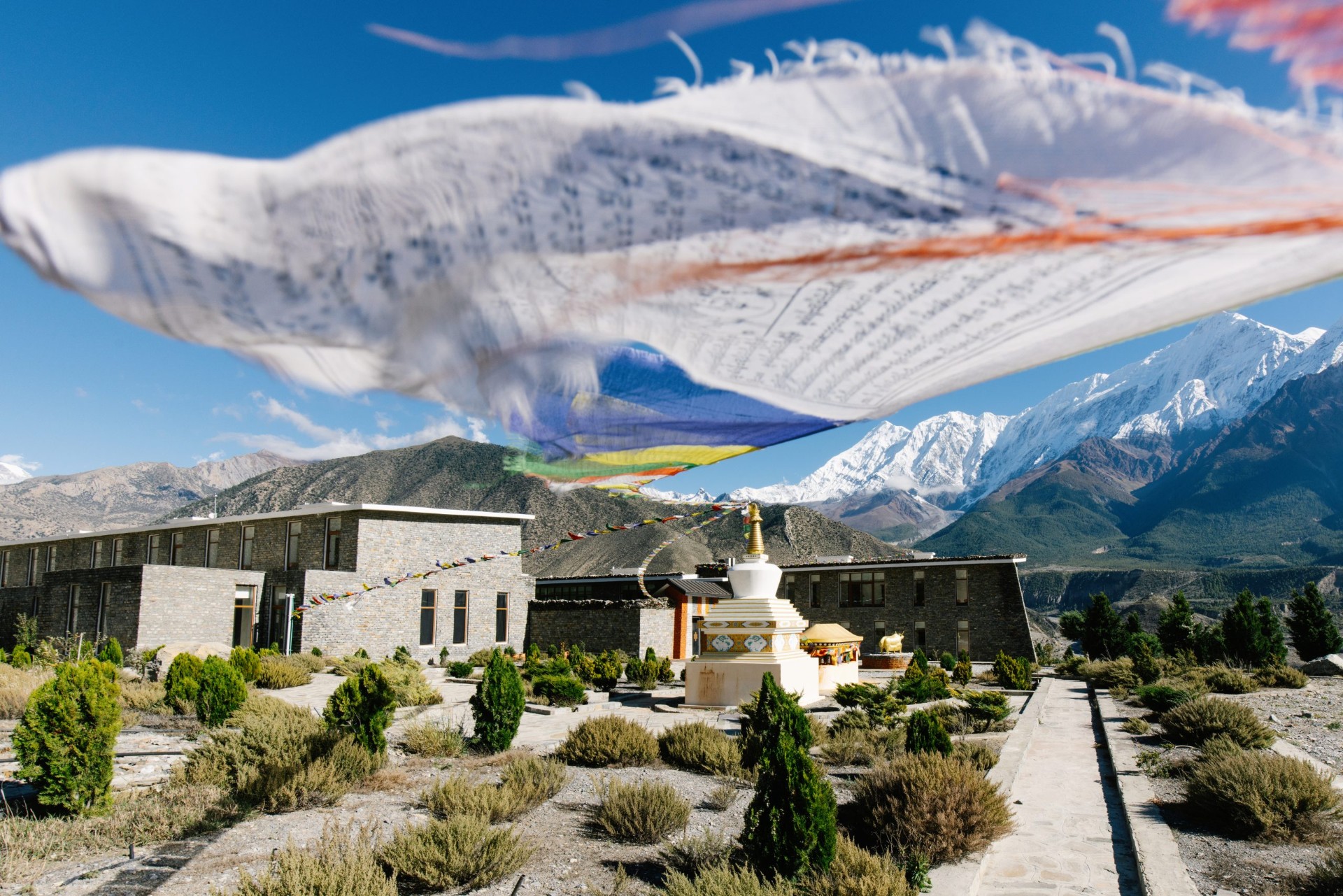
Mountains
Mountain Retreats in Reverence to the Earth and Climate
From Mustang to the Atlas to Nubra — how a new generation of mountain lodges is building lightly, listening first, and letting culture and ecology lead.