Rubondo Island Camp
by Asilia Africa
Untamed Island Adventure on Lake Victoria
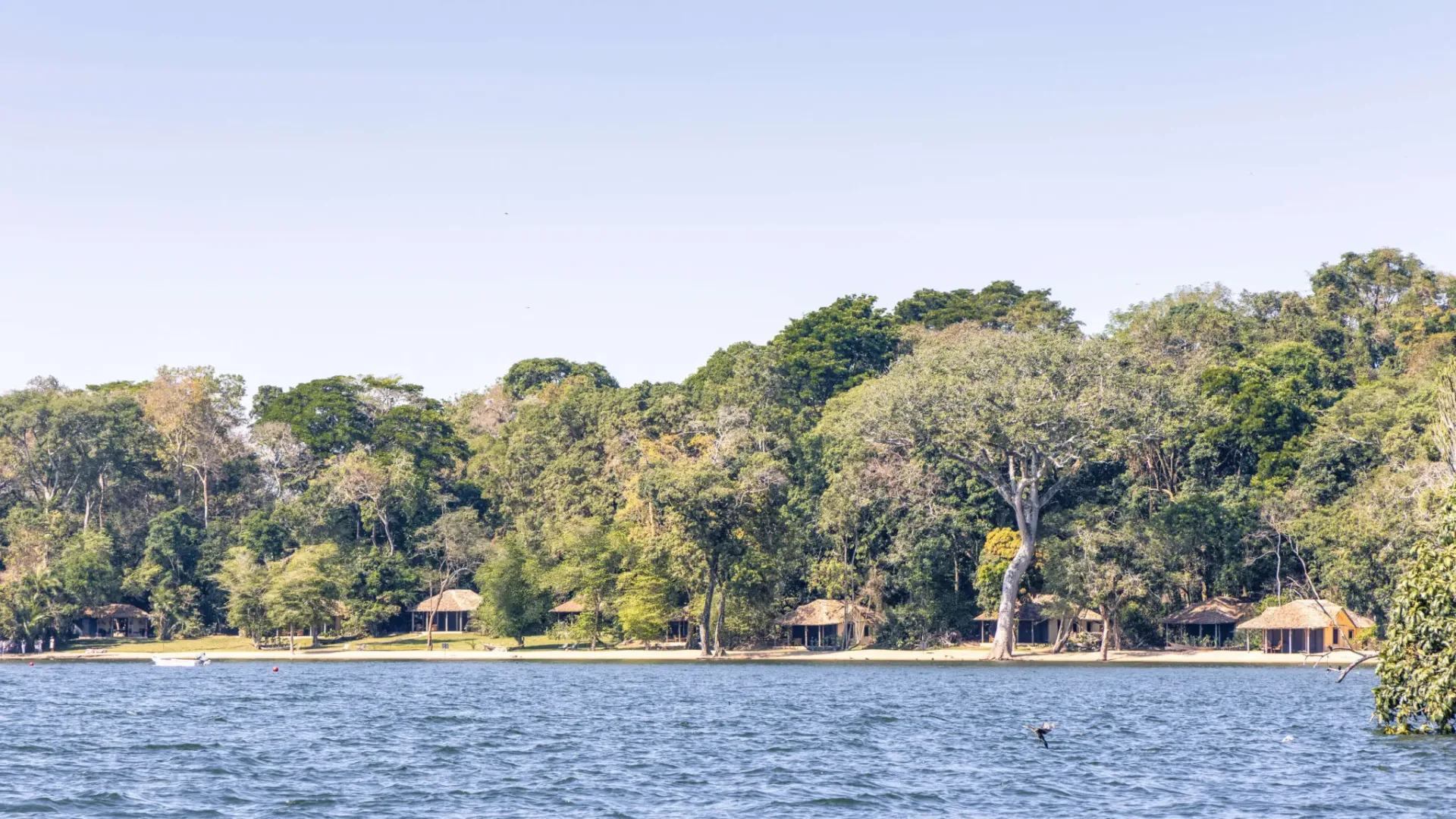
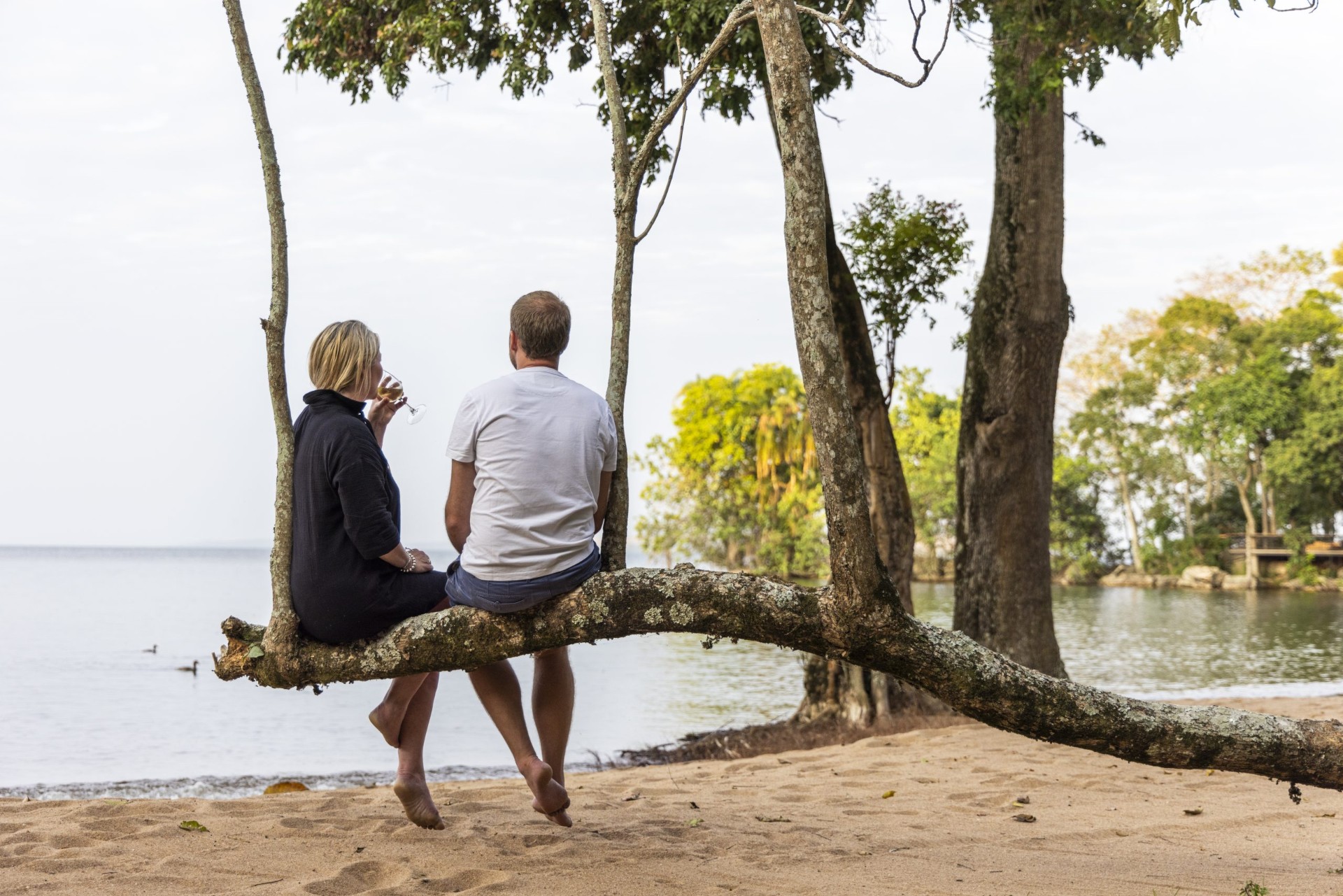
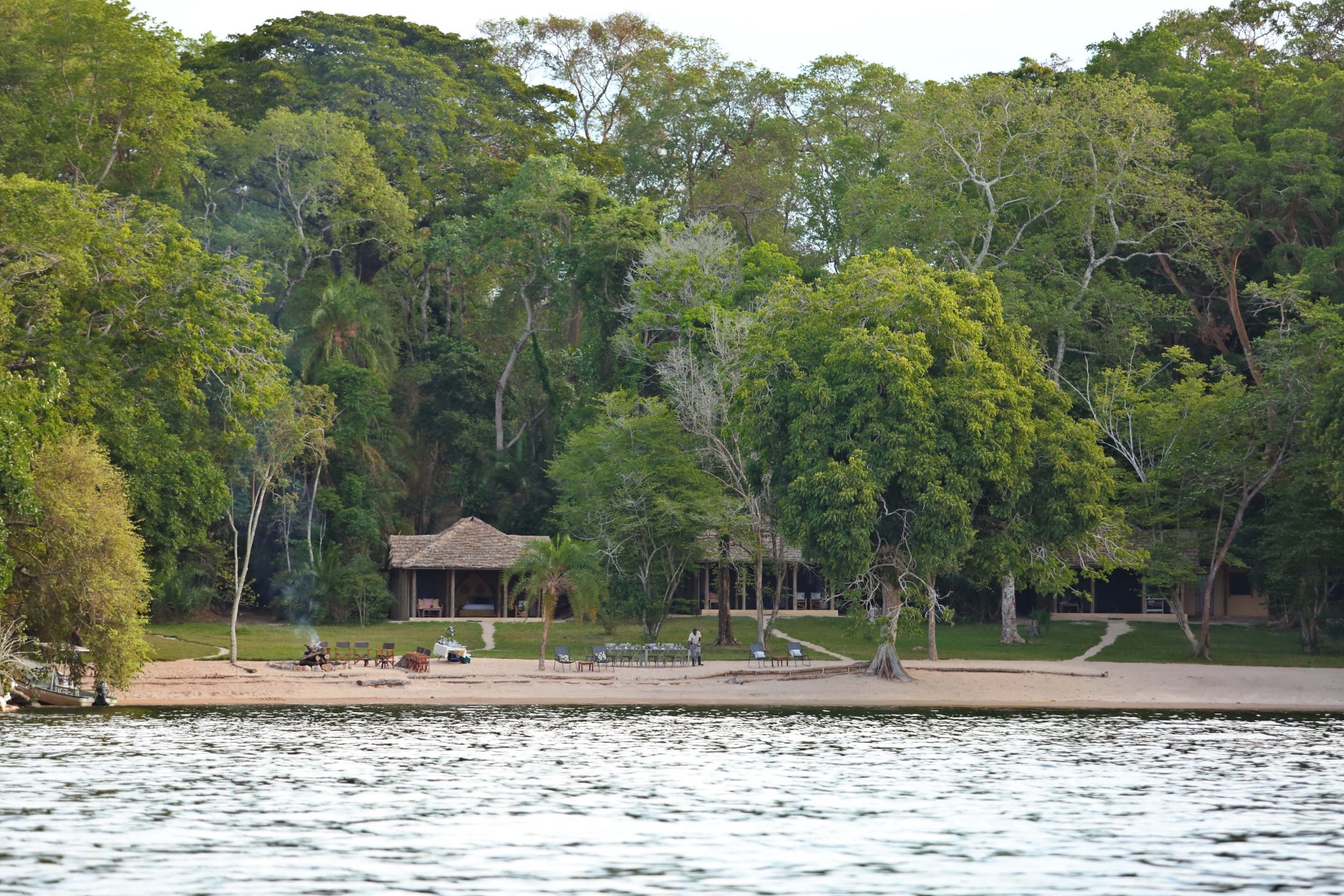
Hidden deep within the lush forest of Rubondo Island National Park, Rubondo Island Camp is a secluded safari retreat unlike anywhere else in Africa. With just eight charming thatched cottages set along the tranquil water's edge, the camp offers an intimate, off-grid experience where barefoot luxury meets authentic wilderness immersion. Guests are invited to slow down, reconnect with nature, and experience the rhythms of the island at a relaxed pace.
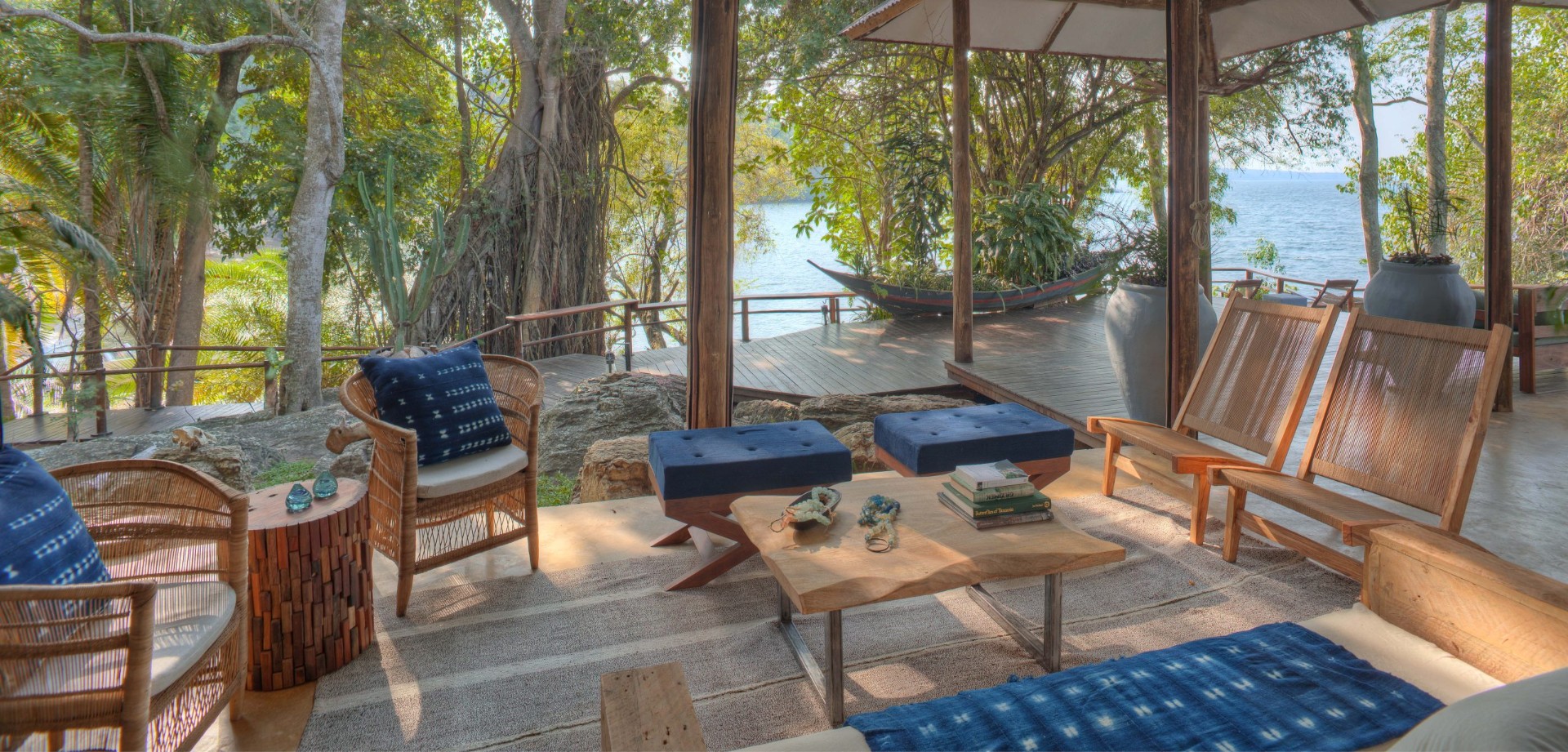
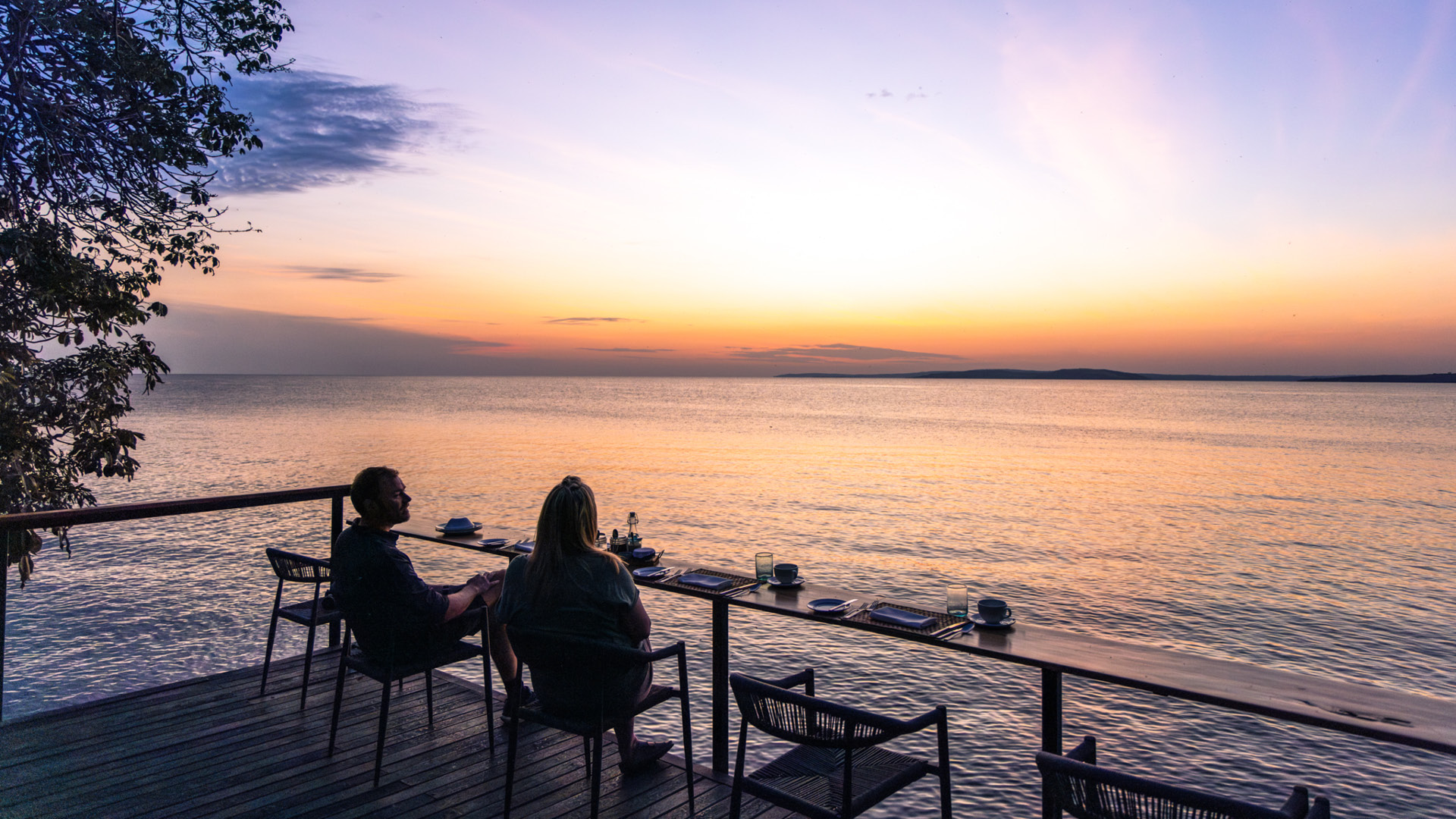
Elevated walkways and carefully considered, low-impact design preserve the forest floor and wildlife corridors, ensuring minimal disruption to the island's delicate ecosystems. Interiors celebrate Tanzanian craftsmanship through handmade wooden furniture, natural textiles, and locally sourced décor that reflects the environment and culture. Dining is equally personal and immersive: each day, meals are freshly prepared on-site, breads and sorbets are crafted in camp, and dinners are often served beneath the stars by the shimmering lakeshore.
Rubondo Island Camp welcomes guests from June through March, remaining closed in April and May for seasonal regeneration. The camp is family-friendly, accommodating children over 5 years old. A dedicated family cottage sleeps up to 4 guests with one double bed and two single beds, offering an intimate space for families to enjoy the wilderness together.
What Awaits You
Chimpanzee Tracking
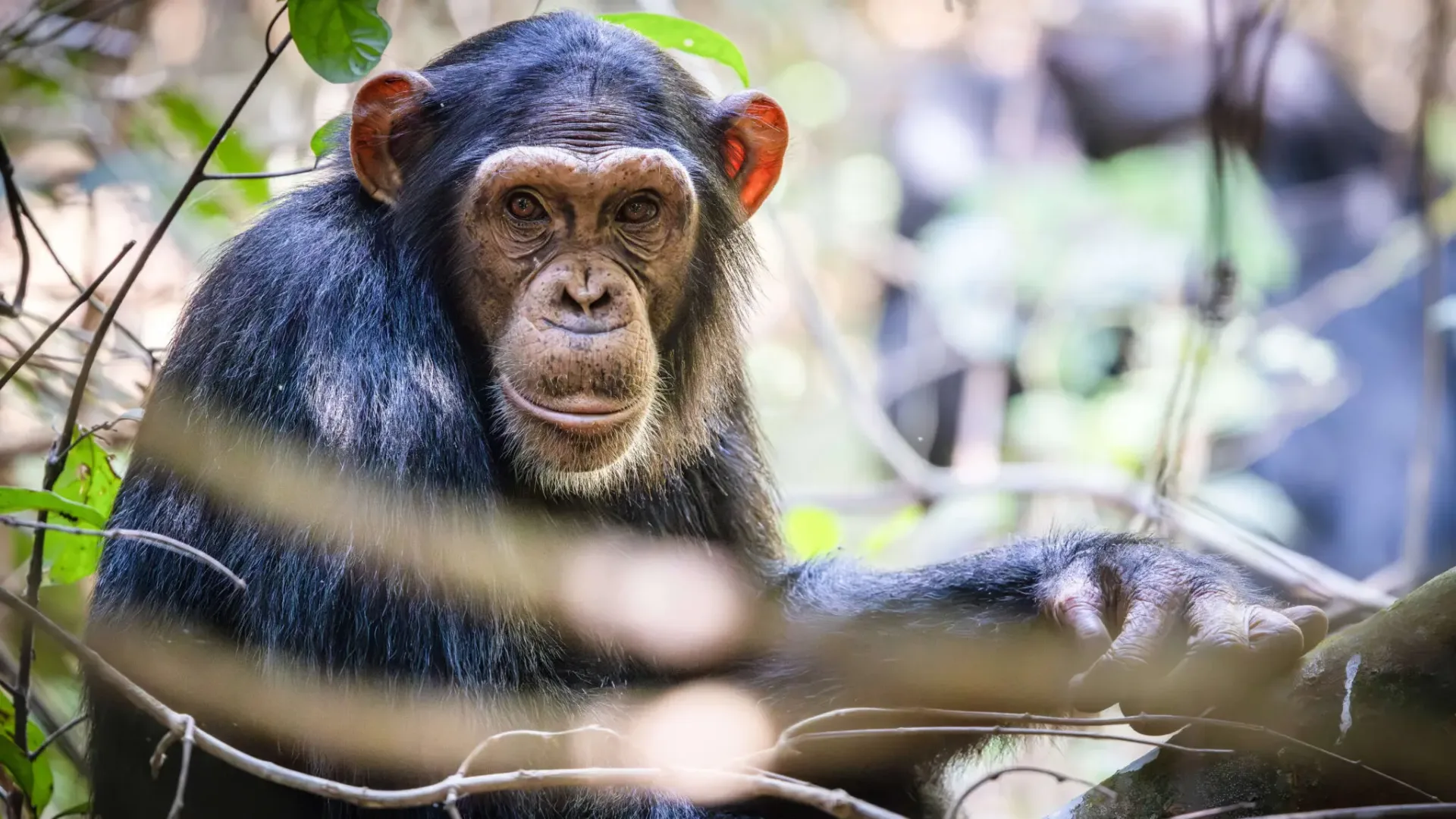
Track habituated chimpanzees through pristine rainforest — one of only a handful of places in East Africa where this is possible.
300+ Bird Species
A birding paradise with over 300 species including African fish eagles, kingfishers, and rare shoebill storks on the lake shores.
Forest Walking Safaris
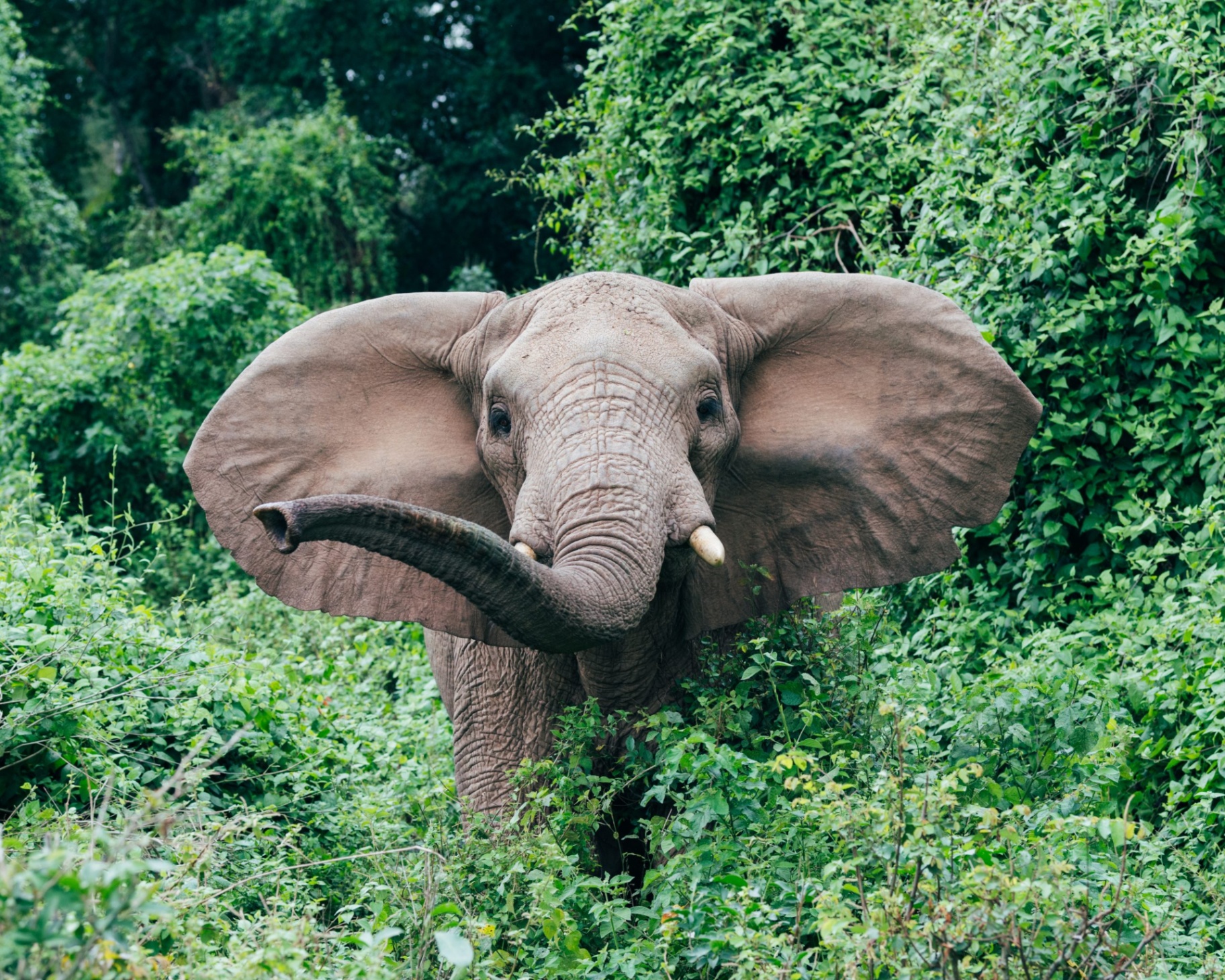
Guided walks through ancient forest where elephants, sitatunga, and colobus monkeys roam freely — no vehicles, just footsteps.
Catch & Release Fishing
World-class sport fishing for Nile perch on Lake Victoria, with sustainable catch-and-release practices preserving fish populations.
 Regenerative Impact
Conservation at the Core
Rubondo Island Camp stands as a beacon of rewilding, uniting conservation and community in one of Africa's most ambitious island restoration projects.
Community & Livelihoods
Over half the staff come from nearby villages, many entering hospitality for the first time. Through Asilia's training platform, staff receive around 60 hours of development annually, from guest service to leadership skills. The camp also funds local schools, scholarships, and educational programs like Twende Porini, which brings children to the camp to experience tourism and conservation first-hand — opening career pathways that once felt unreachable.
Chimpanzee Conservation
Rubondo is the only place in Africa where guests can track a reintroduced chimpanzee population. The camp contributes around US$70,000 annually to the Honeyguide Foundation to employ local trackers, monitor chimpanzees, and build a sustainable tourism product around their protection. By visiting, guests help finance one of the continent's most unique and fragile conservation programs.
Off-Grid & Zero Waste
Rubondo operates entirely off-grid, with over 70% of its power generated from solar and the rest gradually reducing generator use. Greywater is carefully managed, organic waste composted, and plastics recycled through a zero-waste-to-landfill system. Every effort is made to minimize ecological disturbance, from elevated boardwalks that preserve wildlife corridors to buildings constructed with local, sustainable materials.
Cultural Preservation
While the island itself is uninhabited, nearby Zinza communities remain closely linked through guiding, cultural tours, and employment. Guests can visit local heritage sites with traditional performances, ensuring that cultural narratives remain visible and vibrant. By funding school projects and sourcing produce from community farmers, the camp deepens ties between the park and its people, ensuring conservation brings shared prosperity.
Sustaining Rubondo's Ecosystems
As the only private tourism operator in Rubondo Island National Park, the camp is central to sustaining its ecosystems. Tourism revenue funds TANAPA (Tanzania National Parks Authority), directly financing ranger patrols, park management, and biodiversity protection. Rubondo stands as a living laboratory of rewilding — its chimps, elephants, and flourishing birdlife proof that when nature is given space, it regenerates.
A Glimpse of Rubondo
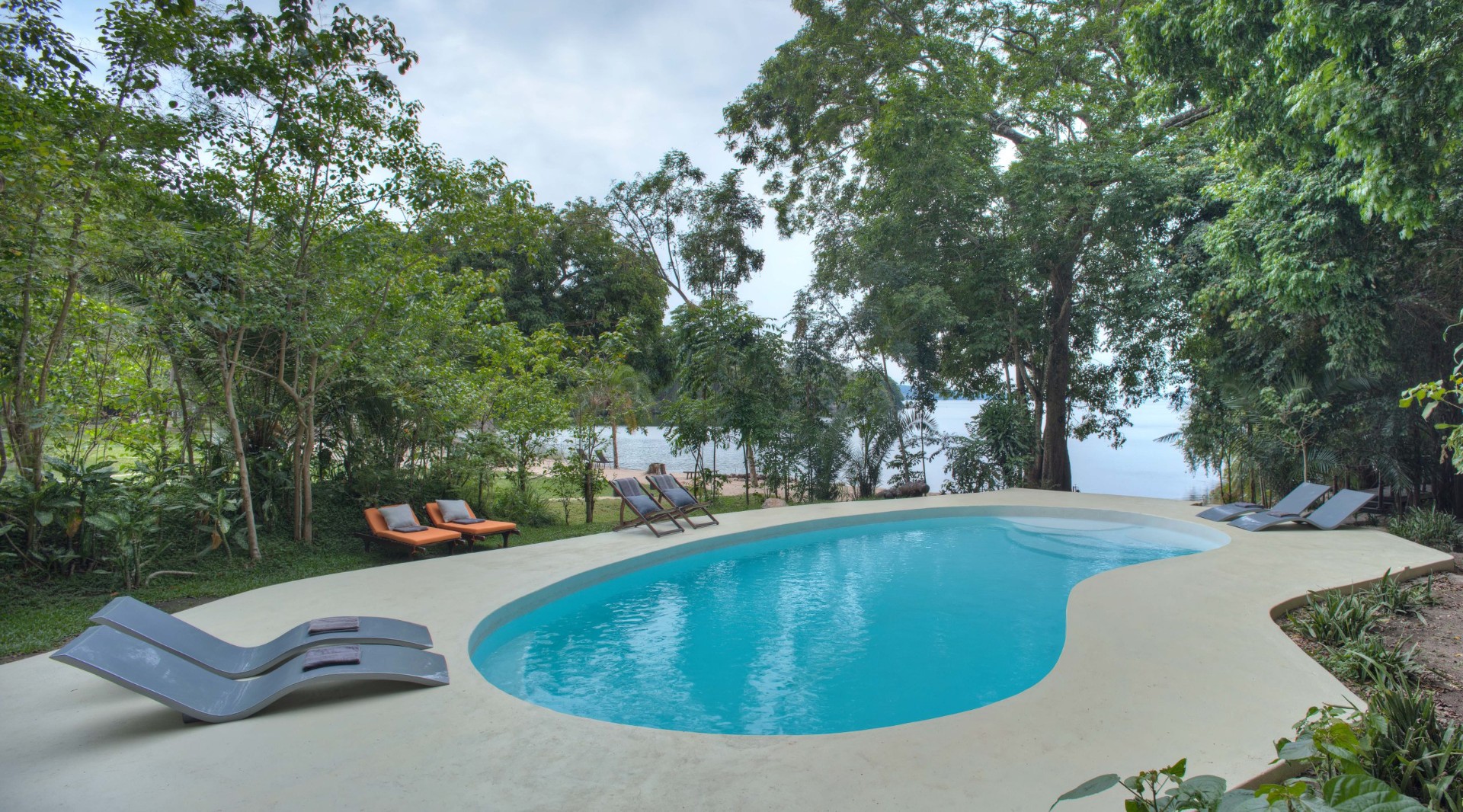
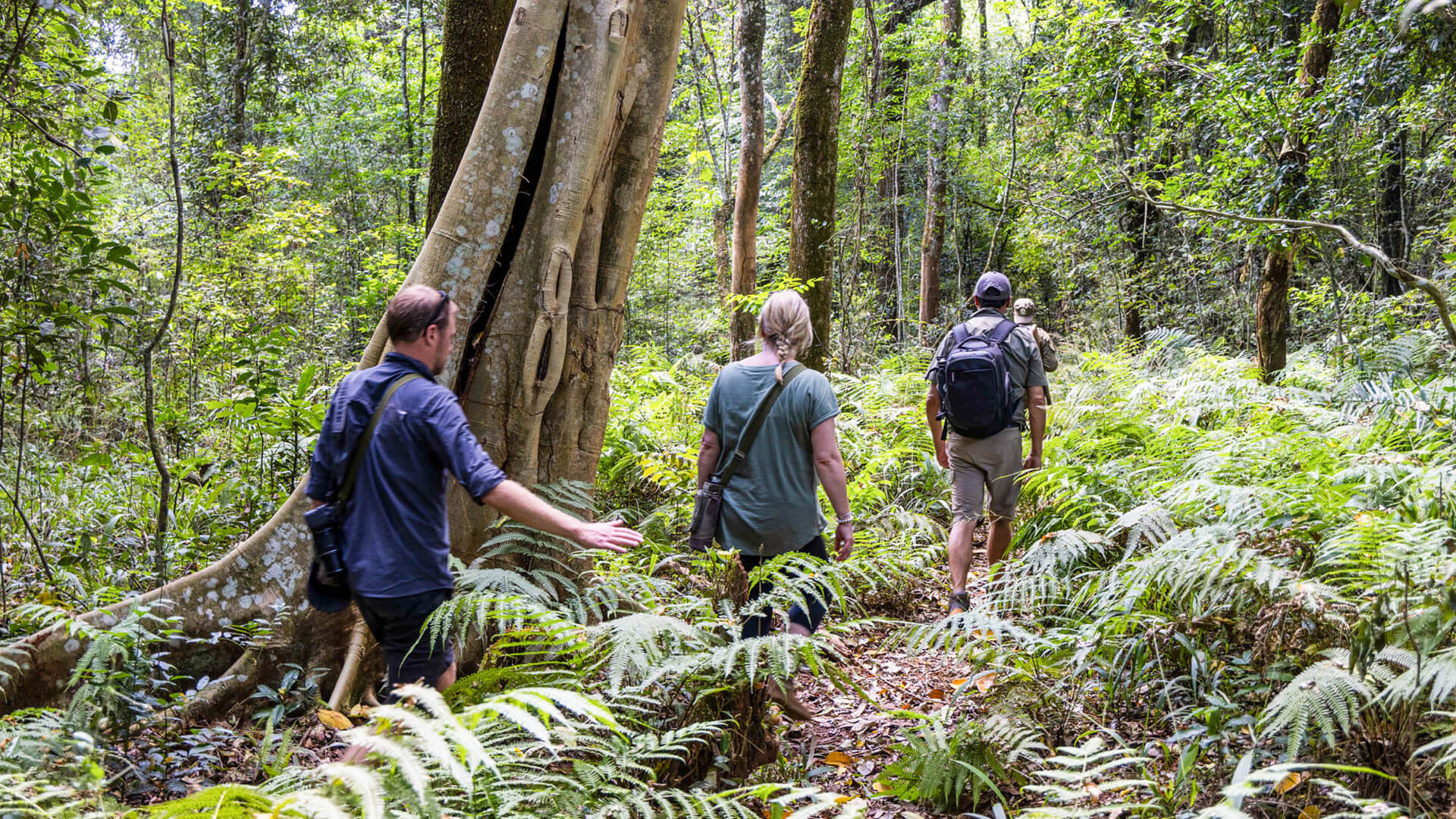
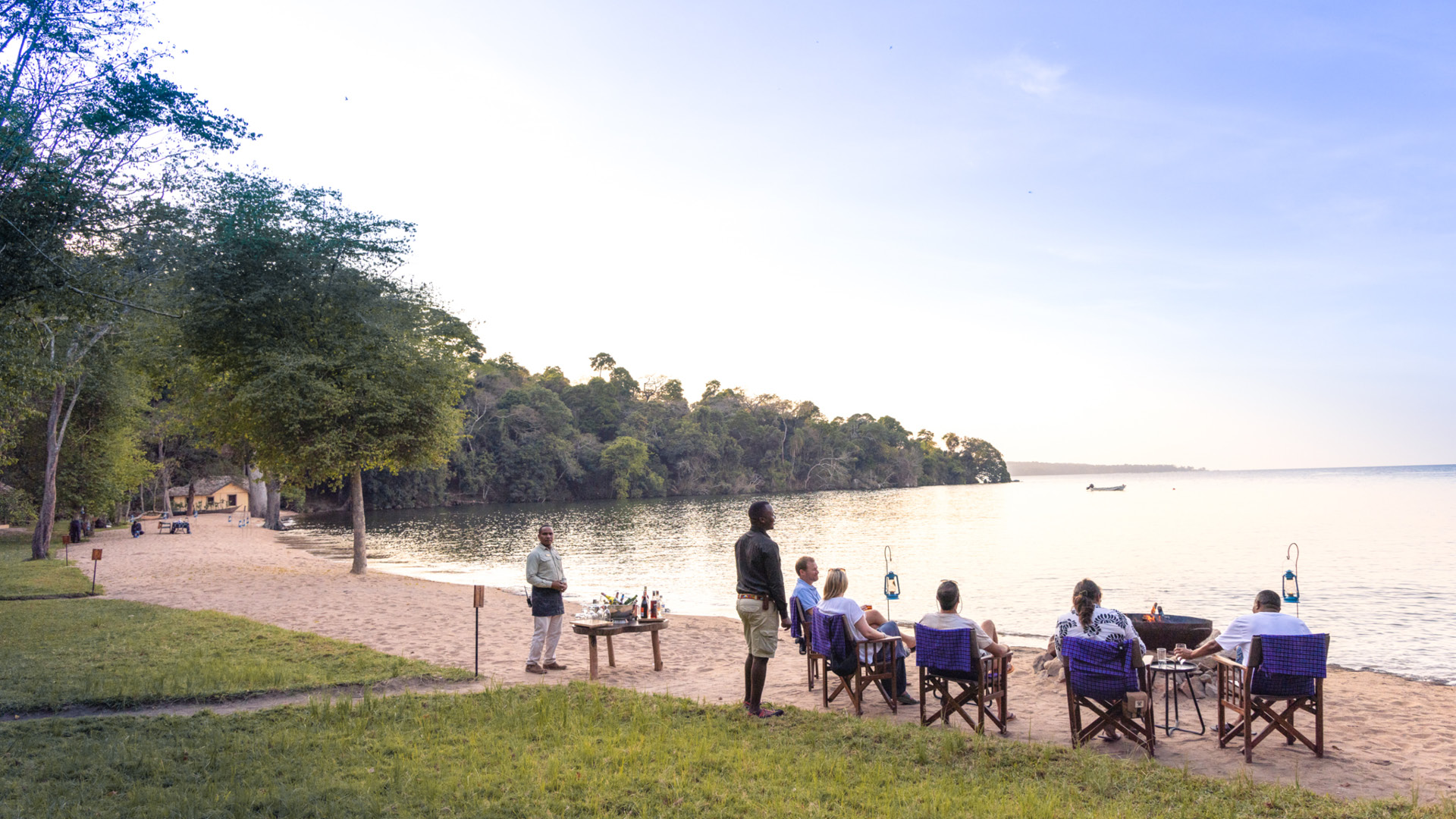
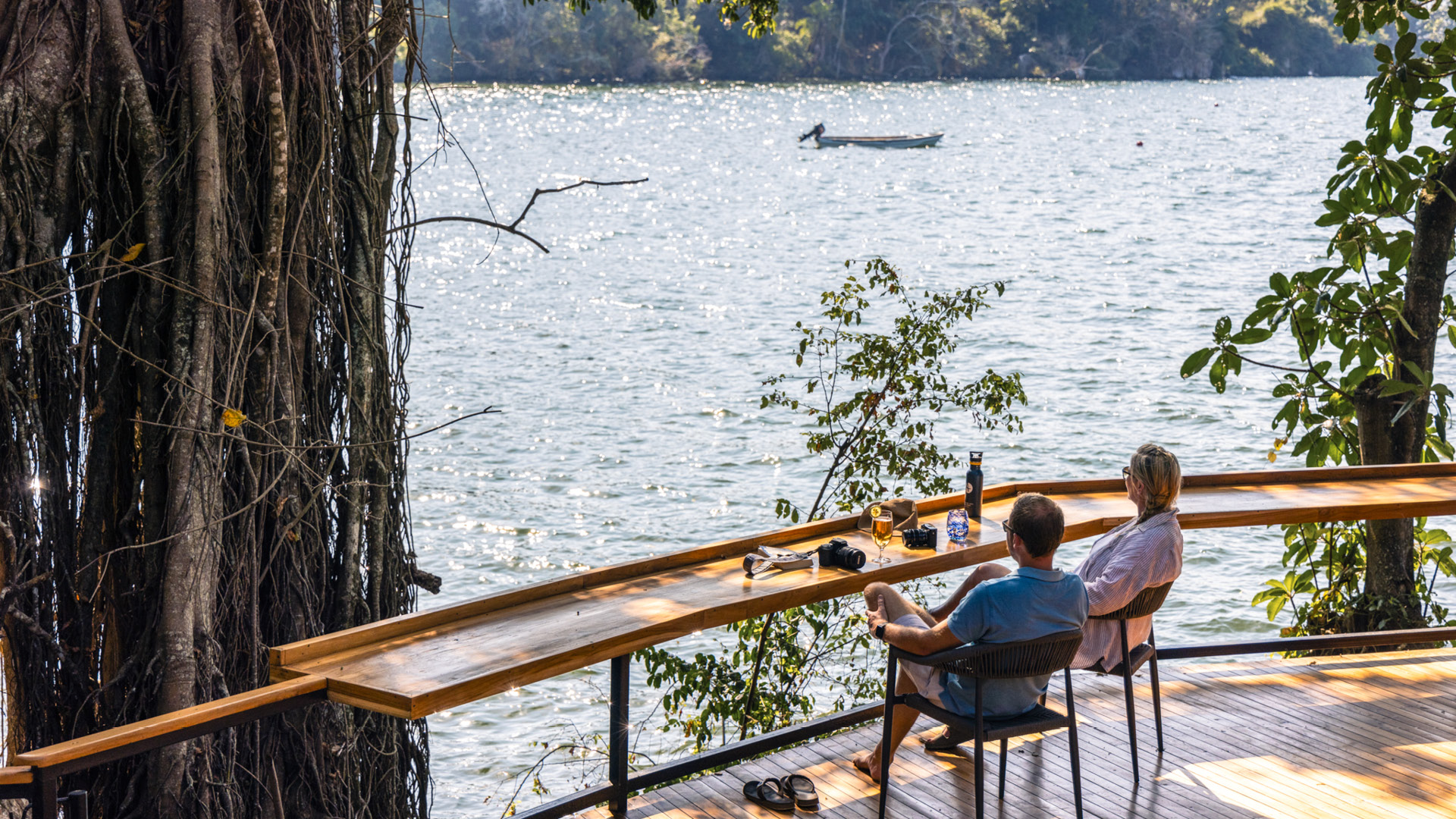
Rubondo Island Camp by Asilia Africa
Rubondo is Africa's largest island national park, a pristine wilderness sanctuary set in Lake Victoria. Once home to smallholder Zinza communities, it was transformed into a protected area in the 1960s and became a national park in 1977. Today the island is uninhabited by people, allowing wildlife to flourish — chimpanzees, elephants, sitatunga, and over 300 bird species roam freely in one of the continent's great conservation success stories.
- Hotel AddressRubondo Island National Park, Lake Victoria, Tanzania
- Closest AirportMwanza Airport (domestic hub), followed by a light aircraft transfer to Rubondo Airstrip
- Travel Time From Airport2.5 hrs (domestic flight + boat transfer)
Ready to Experience Rubondo?
Begin planning your journey to one of Africa's most extraordinary island sanctuaries.
Continue the Journey
Rubondo Island Camp is part of a curated regenerative itinerary — discover the full journey.